Style Standards: How Modern Uniform Policies Are Redefining Professional Identity in UK Hospitality
The Changing Face of Professional Presentation
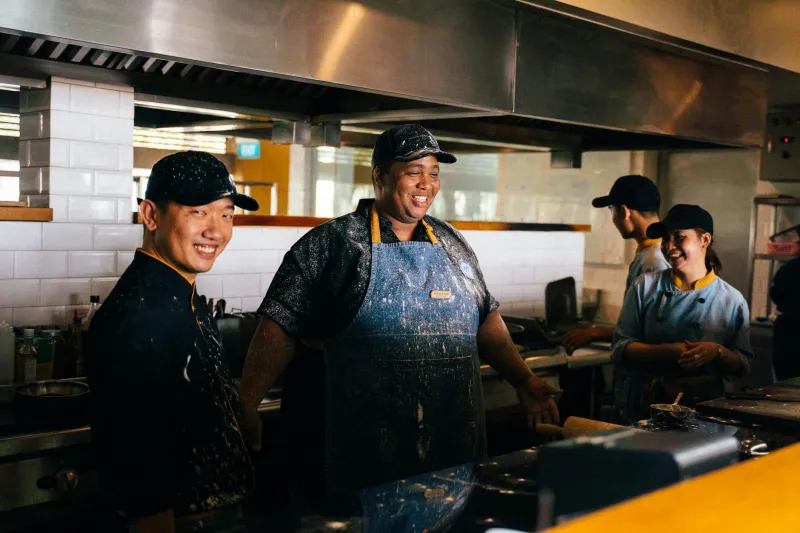
Across Britain's hospitality landscape, a quiet revolution is reshaping how employers approach uniform policies and appearance standards. From independent gastropubs in the Cotswolds to multinational hotel chains in Manchester, operators are grappling with evolving workforce expectations whilst maintaining the professional standards that define their brand identity.
 Photo: the Cotswolds, via private-london-tours.uk
This transformation reflects broader societal shifts toward inclusivity and personal expression, challenging traditional hospitality norms that have remained largely unchanged for decades. Forward-thinking operators are discovering that modernising appearance policies can serve as a competitive advantage in attracting diverse talent whilst enhancing guest experiences through more authentic staff interactions.
Beyond the Traditional Template
Historically, hospitality uniform policies emphasised conformity above all else—standardised colours, prescribed hairstyles, and strict guidelines regarding jewellery and personal expression. These approaches reflected an era when hospitality workers were expected to present as interchangeable representatives of brand values rather than individuals bringing unique perspectives to guest interactions.
Contemporary policies increasingly recognise that authenticity and personal identity can enhance rather than diminish professional service delivery. Leading operators are developing nuanced approaches that maintain brand consistency whilst accommodating diverse cultural backgrounds, religious practices, and personal style preferences.
Premier Inn's recent policy updates exemplify this evolution, introducing more flexible guidelines for hair colour and visible tattoos whilst maintaining clear standards for cleanliness and professional presentation. Similarly, several boutique hotel groups have adopted policies that encourage staff to incorporate personal style elements within defined brand parameters.
The Business Case for Flexibility
Progressive uniform policies deliver measurable business benefits beyond mere compliance with equality legislation. Companies implementing inclusive appearance standards report improved staff retention, enhanced recruitment outcomes, and increased employee engagement scores. These metrics translate directly into operational benefits including reduced training costs, improved service consistency, and enhanced guest satisfaction.
"Our updated uniform policy has transformed our recruitment process," notes Rebecca Chen, Operations Director for a boutique hotel group operating across the Home Counties. "We're attracting candidates who previously might have looked elsewhere, and our existing team members feel more comfortable expressing their authentic selves whilst maintaining professional standards."
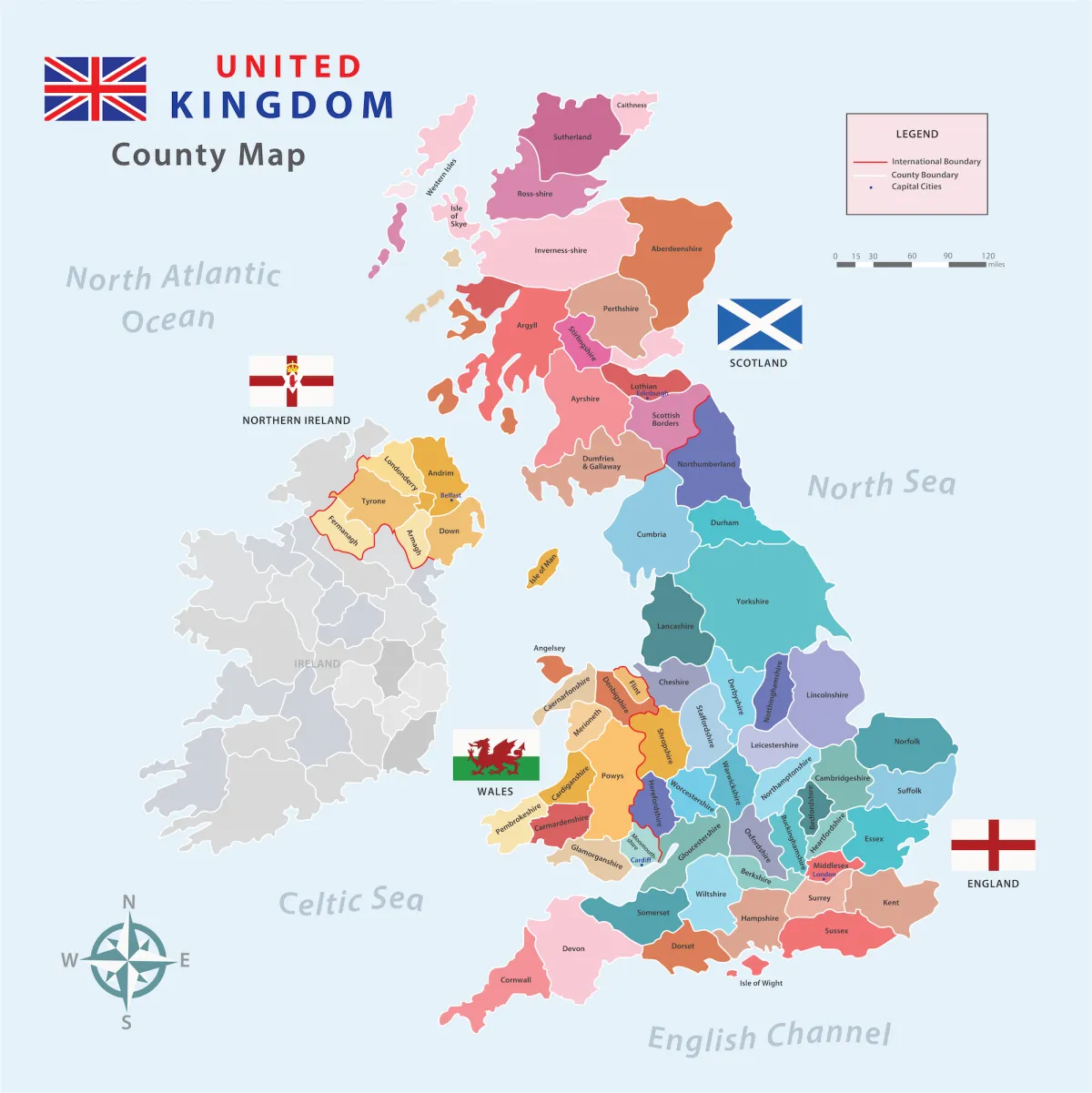 Photo: Home Counties, via www.classicalfinance.com
Research conducted by the Chartered Institute of Personnel and Development indicates that inclusive workplace policies, including appearance standards, can reduce employee turnover by up to 23% within hospitality environments. Given the sector's ongoing recruitment challenges, such improvements represent substantial competitive advantages.
Navigating Cultural Considerations
Britain's increasingly diverse workforce requires uniform policies that accommodate various cultural and religious practices whilst maintaining operational efficiency. Successful policies typically provide clear frameworks for accommodation requests whilst establishing consistent application processes that ensure fairness across all staff members.
Many operators now include cultural liaison specialists in policy development processes, ensuring that guidelines reflect genuine understanding of diverse community needs. This approach helps prevent inadvertent discrimination whilst creating environments where all staff members can perform effectively without compromising personal beliefs or cultural identity.
Restaurant chains including Nando's and Wagamama have developed comprehensive policies addressing religious headwear, cultural hairstyles, and traditional jewellery, demonstrating that inclusive approaches can operate successfully within high-volume service environments.
Technology and Modern Standards
Digital platforms and social media presence have influenced how hospitality businesses approach staff appearance policies. Many companies now recognise that authentic, diverse representation in marketing materials and online presence can enhance brand appeal, particularly among younger demographics who value inclusivity and social responsibility.
Some progressive operators actively encourage staff participation in social media marketing, viewing diverse team representation as a valuable brand asset. This shift requires uniform policies that photograph well across various skin tones and cultural backgrounds whilst maintaining professional standards appropriate for public-facing roles.
Practical Implementation Strategies
Successful policy modernisation typically involves extensive consultation with existing staff members, union representatives where applicable, and diversity specialists. Leading companies often pilot new approaches within specific locations before implementing organisation-wide changes, allowing for refinement based on practical experience.
Training programmes for management teams prove essential, ensuring consistent policy application whilst providing guidance for handling accommodation requests sensitively and fairly. Many operators develop detailed implementation guides that address common scenarios whilst establishing clear escalation procedures for complex situations.
Future Directions
The evolution of hospitality uniform policies reflects broader industry recognition that authentic service delivery requires staff who feel comfortable and confident in their professional presentation. As Britain's workforce continues diversifying, operators who proactively address these considerations will likely maintain competitive advantages in recruitment and retention.
Emerging trends suggest further movement toward personalised uniform options, with some companies exploring made-to-measure approaches that accommodate diverse body types and cultural preferences whilst maintaining brand consistency. Technology may enable more sophisticated approaches to uniform design and distribution, allowing for greater individualisation within defined parameters.
The hospitality industry's approach to uniform policies serves as a microcosm of broader changes in workplace culture and social expectations. Companies that successfully navigate this evolution whilst maintaining operational excellence position themselves as employers of choice in an increasingly competitive labour market, demonstrating that inclusive practices and professional standards can coexist harmoniously.