Endurance Advantage: Building Resilient Hospitality Careers Through Strategic Longevity Planning

The hospitality industry has long been characterised by physical demands and high turnover rates, yet a growing cohort of professionals is demonstrating that sustainable, decades-long careers are not only possible but increasingly supported by industry innovation. This transformation reflects evolving understanding of career sustainability and represents a fundamental shift in how the sector approaches workforce development.
The Longevity Landscape: Current State Analysis
Britain's hospitality sector employs over 3.2 million people, yet traditional career paths often prioritised short-term performance over long-term sustainability. This approach created unnecessary barriers to career longevity, forcing talented professionals to choose between advancement and physical wellbeing.
Recent industry analysis reveals significant change. Leading hospitality groups now invest heavily in ergonomic equipment, wellness programmes, and career development structures designed to support multi-decade careers. This shift reflects both moral imperative and commercial necessity—retaining experienced professionals proves far more cost-effective than constant recruitment and training.
Occupational health specialist Dr. Margaret Thornton, who works extensively with hospitality employers, observes: "The industry has recognised that physical demands need not preclude career longevity. With proper planning and support systems, hospitality professionals can enjoy fulfilling careers spanning three or four decades."
Physical Resilience: Evidence-Based Strategies
Sustainable hospitality careers require proactive physical health management. Research demonstrates that early intervention and consistent preventive care significantly extend career longevity whilst maintaining performance quality.
Ergonomic Innovation in Practice
Modern kitchens increasingly feature adjustable work surfaces, anti-fatigue matting, and ergonomically designed tools that reduce repetitive strain injuries. The Savoy Group's recent kitchen redesign included height-adjustable prep stations and specialised flooring that reduced staff injury rates by 40%.
 Photo: The Savoy Group, via www.savoy-international.com
Similarly, front-of-house operations benefit from ergonomic improvements. Adjustable podiums, comfortable footwear allowances, and strategic break scheduling help maintain physical wellbeing during long shifts.
Preventive Health Protocols
Successful long-term professionals emphasise preventive care over reactive treatment. Regular physiotherapy, strength training focused on occupational demands, and proper nutrition planning create foundations for sustained performance.
Chef Marcus Williams, now in his third decade at a prestigious London restaurant, credits structured fitness regimens with career longevity: "I treat my body like an athlete would. Regular strength training, proper recovery, and professional physiotherapy aren't luxuries—they're career necessities."
Mental Resilience and Emotional Sustainability
Physical demands represent only one aspect of hospitality career sustainability. Mental health support and emotional resilience development prove equally crucial for long-term success.
Stress Management Systems
Progressive employers implement comprehensive stress management programmes including counselling services, mindfulness training, and workload management systems. These initiatives recognise that sustainable careers require emotional as well as physical support.
The Dorchester Collection's employee assistance programme provides 24/7 mental health support, career counselling, and stress management resources. Employee retention rates increased 35% following programme implementation, demonstrating clear correlation between support systems and career longevity.
 Photo: The Dorchester Collection, via snaaplux.com
Work-Life Integration Strategies
Sustainable careers require effective work-life integration rather than perfect balance. Successful long-term professionals develop strategies for maintaining personal relationships and interests alongside demanding career commitments.
Senior hotel manager Patricia Davies attributes her 25-year career to strategic boundary setting: "Early in my career, I learned to protect personal time fiercely. This wasn't selfish—it made me more effective professionally because I maintained perspective and energy."
Career Architecture for Longevity
Sustainable hospitality careers require strategic planning that anticipates physical and professional evolution. Rather than viewing career progression as purely vertical advancement, successful professionals develop diverse skill sets and explore lateral opportunities.
Skill Diversification Strategies
Long-term career sustainability often involves transitioning from purely operational roles to positions incorporating training, consulting, or strategic responsibilities. This evolution allows professionals to leverage accumulated expertise whilst reducing physical demands.
Former head chef Jonathan Mitchell now serves as culinary director for a restaurant group, focusing on menu development and staff training rather than daily service. "I recognised early that pure line cooking wouldn't be sustainable indefinitely," he explains. "Transitioning to strategic roles allowed me to remain in the industry whilst adapting to physical changes."
Mentorship and Knowledge Transfer
Experienced professionals increasingly find career sustainability through mentorship roles. Teaching and developing younger staff provides career satisfaction whilst contributing valuable industry knowledge.
Many establishments now create formal mentorship programmes that recognise experienced staff expertise whilst providing sustainable career paths beyond traditional operational roles.
Industry Support Infrastructure Evolution
The hospitality sector's approach to career sustainability has evolved dramatically, with leading employers implementing comprehensive support systems designed to retain talent across entire careers.
Wellness Programme Innovation
Cutting-edge wellness programmes extend far beyond basic health insurance. Comprehensive offerings include fitness subsidies, nutritional counselling, sleep optimisation support, and preventive healthcare screening.
The Langham Group's "Wellness for Life" programme provides annual health assessments, personalised fitness plans, and on-site physiotherapy services. Programme participants demonstrate 60% lower injury rates and significantly higher job satisfaction scores.
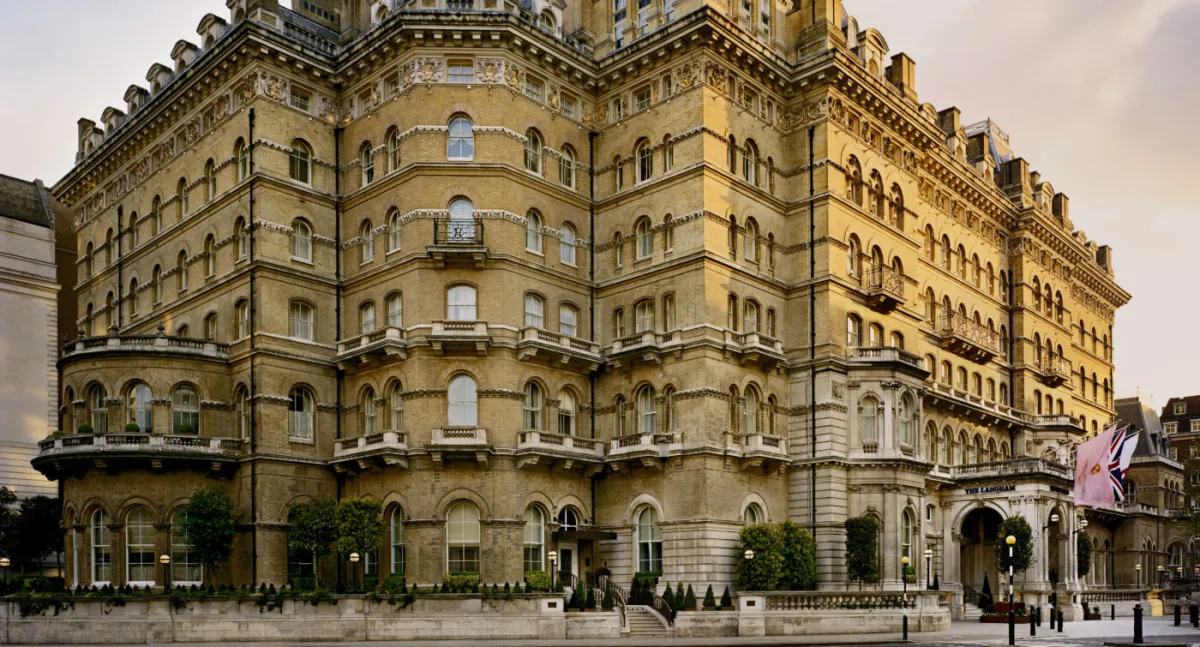 Photo: The Langham Group, via keytask.co.uk
Financial Planning and Security
Sustainable careers require financial security extending beyond immediate compensation. Progressive employers offer enhanced pension contributions, financial planning services, and career development funding that support long-term financial wellbeing.
Educational Development Opportunities
Continuous learning opportunities help professionals adapt to industry evolution whilst building skills for career longevity. Leading employers provide training budgets, qualification support, and sabbatical opportunities that enhance both immediate performance and long-term career prospects.
Technology Integration for Sustainability
Technological advancement increasingly supports career sustainability by reducing physical demands whilst enhancing operational efficiency.
Automation and Physical Relief
Kitchen automation, from prep robots to automated dishwashing systems, reduces repetitive physical tasks whilst maintaining service quality. Similarly, digital ordering systems and inventory management reduce manual handling requirements.
Data-Driven Health Monitoring
Wearable technology allows professionals to monitor physical stress, sleep quality, and recovery metrics. This data enables proactive health management and early intervention when concerning patterns emerge.
Regional Variations and Opportunities
Career sustainability strategies vary across Britain's diverse hospitality markets. Rural establishments often offer different longevity advantages compared to urban environments, including closer community connections and potentially less intense operational pressure.
Scotland's hospitality sector has pioneered several longevity initiatives, including industry-wide wellness programmes and career transition support. These regional innovations provide models for broader industry adoption.
Future Outlook: Sustainability as Competitive Advantage
The hospitality industry's evolution towards supporting sustainable careers represents both moral progress and strategic necessity. As labour markets tighten and recruitment costs increase, employers recognising career longevity as competitive advantage will attract and retain superior talent.
Industry analyst Sarah Peterson predicts: "Within five years, career sustainability support will become a standard expectation rather than progressive benefit. Employers failing to support long-term careers will struggle to compete for talent."
Practical Implementation Framework
Building a sustainable hospitality career requires strategic planning from the earliest stages. Professionals should assess physical demands realistically, invest in preventive health measures, and develop diverse skills that support career evolution.
Key strategies include:
- Regular health monitoring and preventive care
- Skill diversification beyond core operational competencies
- Financial planning for long-term security
- Network building across industry sectors
- Continuous learning and adaptation
The transformation of hospitality into an industry supporting sustainable, decades-long careers represents one of the sector's most significant developments. For professionals willing to plan strategically and embrace available support systems, the opportunity for fulfilling, long-term hospitality careers has never been greater.
This evolution benefits not only individual professionals but the entire industry, creating deeper expertise, stronger service cultures, and more sustainable business models. The future of British hospitality lies not in burning through talent but in nurturing it across entire careers—a transformation already underway across the sector's most progressive employers.