From Cellar to Classroom: How Britain's Sommelier Elite Are Transforming Guest Education Into Career Gold
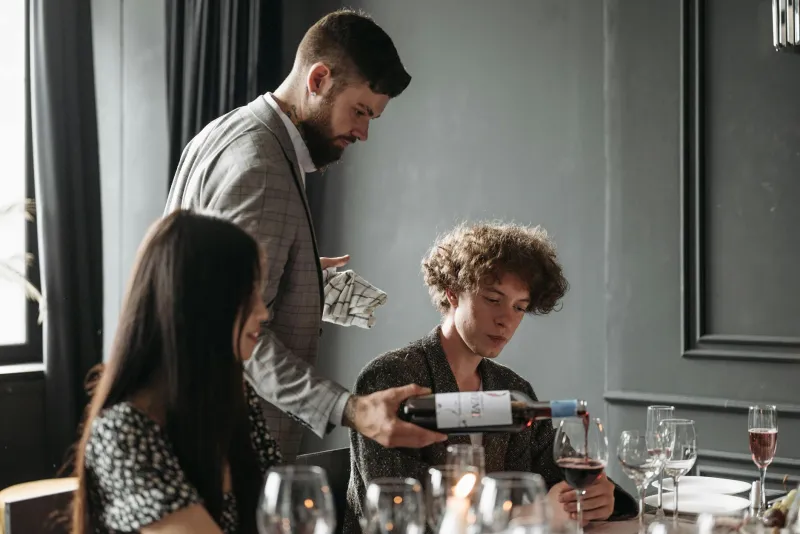
The Education Revolution on Britain's Wine Lists
The traditional image of the sommelier—clipboard in hand, rattling off tasting notes to impress diners—is rapidly becoming outdated across Britain's hospitality landscape. Today's most successful wine professionals are embracing a fundamentally different approach: positioning themselves as educators first, sellers second.
This shift represents more than a change in service style; it's creating entirely new career trajectories within the UK hospitality sector. From Michelin-starred establishments in Mayfair to gastropubs in the Cotswolds, sommeliers who master the art of wine education are finding themselves in unprecedented demand, commanding higher salaries and accessing senior management roles previously reserved for general managers or head chefs.
Building Loyalty Through Learning
The numbers tell a compelling story. According to recent industry analysis, restaurants employing education-focused sommeliers report 40% higher wine sales per cover and significantly improved customer retention rates. More importantly for career development, these establishments are creating new senior positions specifically designed around wine education programmes.
Take the example of Marcus Chen, who transitioned from traditional sommelier work at a London hotel to become Wine Education Director at a prestigious restaurant group. His role encompasses staff training, guest masterclasses, and strategic wine programme development across multiple venues. "The moment I stopped trying to sell the most expensive bottle and started helping guests discover what they genuinely enjoyed, everything changed," Chen explains. "Management noticed the guest feedback, the repeat business, and suddenly they were asking me to design our entire beverage strategy."
This transformation isn't limited to fine dining. Regional establishments are discovering that sommelier-led education programmes create distinct competitive advantages. The Crown Inn in Bath recently promoted their sommelier to operations manager after her wine education evenings became the pub's most profitable regular event.
New Training Pathways Emerge
Recognising this trend, British hospitality training providers are rapidly adapting their programmes. The Wine & Spirit Education Trust (WSET) has introduced specific modules focusing on educational techniques and guest engagement strategies. Meanwhile, the Court of Master Sommeliers has partnered with hospitality colleges across England and Scotland to develop programmes that blend traditional wine knowledge with modern communication skills.
These qualifications are proving their worth in the job market. Recruitment specialists report that sommelier positions requiring educational competencies command salary premiums of 15-25% compared to traditional roles. More significantly, they're increasingly serving as stepping stones to general management positions.
The Regional Renaissance
Whilst London's established fine dining scene has long recognised the value of exceptional sommeliers, the real growth opportunity lies in Britain's regional markets. Independent restaurants from Edinburgh to Exeter are discovering that a skilled wine educator can transform their entire guest experience and business model.
Sarah Mitchell's journey illustrates this perfectly. After completing her WSET Level 3 in Manchester, she joined a small restaurant in the Lake District as their first dedicated sommelier. Within eighteen months, her wine education programme had become so popular that the restaurant expanded to include a dedicated tasting room. Mitchell now oversees all beverage operations and has equity in the business.
 Photo: Lake District, via www.lakelandretreats.com
"Regional establishments often can't compete with London salaries," Mitchell observes, "but they can offer something equally valuable: the opportunity to build something from scratch and have real input into business strategy."
Skills That Transfer
The competencies developed through wine education extend far beyond the cellar. Effective wine educators master presentation skills, develop deep product knowledge, learn to read customer preferences, and become adept at translating complex information into accessible language. These abilities prove invaluable across hospitality management roles.
Industry leaders increasingly recognise that sommeliers who excel at guest education possess the foundational skills required for senior management: the ability to enhance guest experience, drive revenue through relationship building, and maintain high service standards whilst developing team capabilities.
Practical Steps Forward
For hospitality professionals considering this career path, the route forward requires strategic planning. Begin with recognised qualifications—WSET Level 2 provides essential foundations, whilst Level 3 opens doors to specialist positions. Supplement formal training with practical experience in guest-facing education, whether through wine dinners, tasting events, or staff training sessions.
Seek positions that explicitly value educational skills over pure sales performance. These roles increasingly appear at independent restaurants, boutique hotels, and regional establishments looking to differentiate themselves through exceptional service.
Networking within the wine community proves essential. Join local sommelier associations, attend industry tastings, and build relationships with wine producers and distributors. These connections often lead to opportunities and provide the product knowledge that makes educational programmes compelling.
The Future of Wine Service
As British hospitality continues evolving towards experience-focused service, the demand for educator-sommeliers will only intensify. Establishments recognise that guests increasingly value learning and discovery over simple consumption, creating opportunities for wine professionals who can deliver both exceptional service and meaningful education.
This trend represents more than career advancement—it's professional evolution. The sommelier who masters guest education doesn't just pour wine; they create memorable experiences, build lasting relationships, and drive sustainable business growth. In Britain's competitive hospitality landscape, these skills translate directly into career currency and long-term professional success.