Small Scale, Big Opportunities: Why Boutique Hotel Internships Are Outperforming Corporate Schemes
The Intimate Advantage of Independent Learning
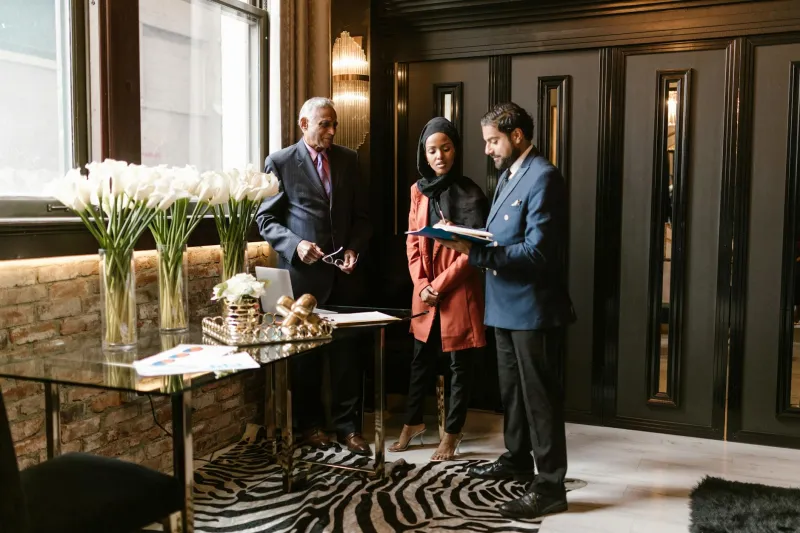
Whilst corporate hotel chains dominate headlines with their graduate programmes and structured training schemes, a quieter revolution is occurring within Britain's boutique and independent hotel sector. These smaller establishments are creating internship opportunities that offer something their larger competitors cannot: genuine proximity to decision-making, direct mentorship from owners and senior leaders, and comprehensive exposure to every aspect of hotel operations.
This shift is attracting ambitious hospitality students and career-changers who recognise that intimate, hands-on experience often provides more valuable learning than the structured but compartmentalised training offered by major hotel groups.
Beyond Coffee Runs: Real Responsibility from Day One
The fundamental difference between boutique and corporate internships lies in the scope of responsibility offered to participants. In a 50-room independent hotel, an intern might find themselves assisting with revenue management decisions, participating in supplier negotiations, or contributing to marketing strategy development—responsibilities that would typically require years of progression in larger organisations.
Take the example of Charlotte Webb, whose internship at a boutique hotel in the Cotswolds included direct involvement in the property's sustainability initiative. Rather than simply observing, Webb was tasked with researching local suppliers, calculating cost implications, and presenting recommendations to the ownership team. "By my third month, I was sitting in board meetings and having my opinions genuinely considered," Webb explains. "That level of access and responsibility would have been impossible in a corporate environment."
This hands-on approach extends across all departments. Boutique hotel interns routinely work alongside head chefs during menu development, assist general managers with budgeting processes, and contribute to guest experience improvements. The compressed structure of independent properties means that learning occurs organically and comprehensively.
Owner Mentorship: The Entrepreneurial Edge
Perhaps the most significant advantage of boutique hotel internships is direct access to ownership and senior leadership. Independent hotel owners are typically hands-on operators who built their properties from concept to completion. Their mentorship provides insights into entrepreneurship, business development, and strategic thinking that employed managers in corporate chains simply cannot offer.
These relationships often extend beyond formal internship periods. Many boutique hotel owners maintain ongoing professional relationships with former interns, providing references, career advice, and networking opportunities that prove invaluable throughout their careers.
David Martinez, who completed an internship at a family-owned hotel in Edinburgh, credits his mentor's guidance with shaping his entire career trajectory. "The owner didn't just teach me about hotel operations," Martinez reflects. "He explained the financial models, the market positioning decisions, the risk assessments—everything that goes into building and sustaining a hospitality business. That knowledge has been invaluable in every role since."
Multi-Departmental Mastery
The operational necessities of smaller properties create natural cross-training opportunities that larger hotels struggle to replicate. Boutique hotel interns typically rotate through front desk operations, housekeeping supervision, food and beverage service, and back-office functions within weeks rather than months.
This comprehensive exposure produces graduates with unusually broad skill sets and deep understanding of hotel interdependencies. They understand how housekeeping standards affect guest satisfaction scores, how front desk upselling impacts restaurant reservations, and how maintenance schedules influence revenue management decisions.
Such holistic understanding proves increasingly valuable as the hospitality industry seeks managers capable of optimising entire guest experiences rather than managing individual departments in isolation.
Identifying Quality Programmes
Not all boutique hotel internships offer equal value, and prospective candidates must evaluate opportunities carefully. The most valuable programmes share several characteristics: structured learning objectives, regular feedback sessions, rotation through multiple departments, and direct access to senior management.
Look for establishments that have formalised their internship approach rather than simply offering unpaid labour. Quality programmes include specific project assignments, mentorship schedules, and clear progression pathways. The best boutique hotels treat interns as future industry leaders rather than temporary assistants.
Investigate the property's reputation, financial stability, and growth trajectory. Internships at struggling establishments may provide crisis management experience but lack the strategic learning opportunities that successful properties offer. Similarly, newly opened properties might offer exciting involvement in operational development but lack the established systems that facilitate structured learning.
Regional Opportunities Beyond London
Whilst London's boutique hotel scene receives significant attention, exceptional internship opportunities exist throughout Britain's regions. Scottish castle hotels, Lake District country houses, and Cornish coastal properties often provide more intensive experiences than their metropolitan counterparts.
 Photo: Lake District, via cdn.suwalls.com
Regional properties frequently offer accommodation, reducing living costs and enabling interns to focus entirely on learning. They also tend to have more stable, long-term staff who can provide consistent mentorship throughout internship periods.
The seasonal nature of many regional properties creates unique learning opportunities around business cycle management, staffing optimisation, and revenue maximisation during peak periods—skills that prove valuable across the hospitality sector.
Building Strategic Networks
Boutique hotel internships facilitate relationship-building that extends far beyond the host property. Independent hoteliers typically maintain extensive networks within local business communities, supplier relationships, and industry associations. Interns gain access to these networks, often receiving introductions and recommendations that prove career-defining.
The independent hotel sector's collaborative culture means that successful internship completion at one property often leads to opportunities at others. Hotel owners frequently recommend exceptional interns to colleagues, creating career pathways that span multiple properties and regions.
Competitive Application Strategies
Securing boutique hotel internships requires different strategies than corporate applications. These positions are rarely advertised through traditional channels. Instead, successful candidates typically approach properties directly, demonstrating specific knowledge of the establishment and articulating how they can contribute to its unique objectives.
Research the property's history, ownership structure, recent developments, and market positioning. Craft applications that demonstrate understanding of the hotel's specific challenges and opportunities. Highlight relevant experience, but emphasise adaptability, enthusiasm, and genuine interest in learning rather than just credentials.
Many successful applicants leverage personal connections, alumni networks, or industry contacts to secure introductions. The independent hotel sector values personal recommendations highly, and a warm introduction often proves more effective than cold applications.
Long-Term Career Impact
The skills, networks, and perspectives gained through boutique hotel internships create lasting career advantages. Graduates of these programmes frequently advance more rapidly than their peers, armed with comprehensive operational knowledge and entrepreneurial mindsets that larger organisations increasingly value.
Many former boutique hotel interns eventually launch their own hospitality ventures, drawing upon the entrepreneurial mentorship and business understanding gained during their placements. Others leverage their broad skill sets to secure senior positions across various hospitality segments, from luxury resorts to restaurant groups.
As Britain's hospitality industry continues evolving towards more personalised, experience-focused service models, the comprehensive training and intimate operational understanding provided by boutique hotel internships becomes increasingly valuable currency in the professional marketplace.