Independent Advantage: Why Boutique Properties Are Winning Britain's War for Hospitality Talent
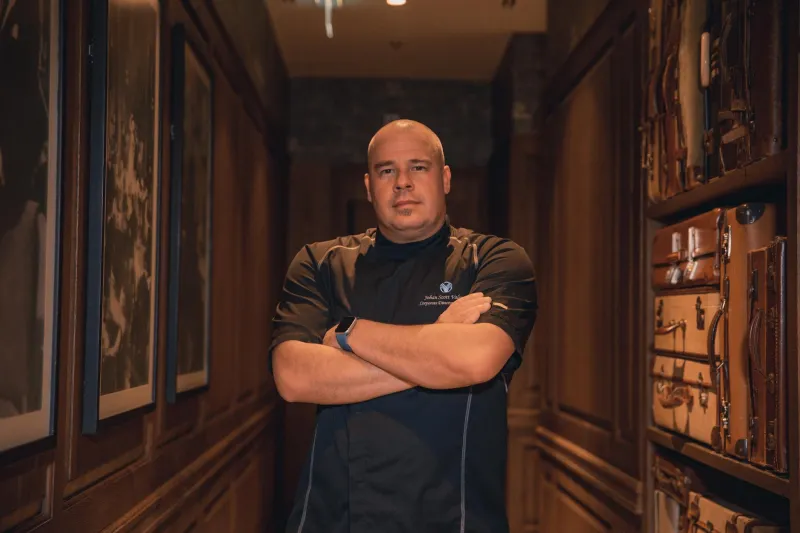
The Great Talent Migration
Something remarkable is happening across Britain's hospitality landscape. Experienced professionals who once viewed positions at prestigious international hotel chains as the pinnacle of career achievement are increasingly choosing independent properties instead. This shift represents more than mere preference—it signals a fundamental transformation in how ambitious hospitality workers define professional success.
From Edinburgh's boutique guesthouses to Cornwall's independent coastal resorts, smaller properties are attracting seasoned general managers, head chefs, and senior front-of-house professionals who previously would have considered such moves career steps backwards. Their reasons reveal changing priorities that international chains are struggling to address.
Beyond Brand Recognition: The Appeal of Authentic Ownership
The attraction begins with autonomy. Independent properties offer senior staff genuine decision-making authority over guest experiences, operational procedures, and team development in ways that corporate structures simply cannot match. Where international chains require adherence to global standards and centralised policies, independents empower their key personnel to craft unique approaches that reflect local culture and personal expertise.
Sarah Mitchell, who transitioned from assistant general manager at a luxury London chain hotel to general manager of a 28-room independent property in Bath, exemplifies this trend. "At the chain, I implemented policies created thousands of miles away," she explains. "Here, I create the policies. Every decision about guest experience, staff development, and property character flows through my expertise rather than corporate mandate."
This operational freedom extends beyond daily management into strategic planning. Independent properties regularly involve senior staff in long-term business planning, renovation decisions, and market positioning strategies. Such involvement provides invaluable business experience that corporate positions rarely offer, regardless of seniority level.
Financial Rewards Beyond Base Salary
Whilst independent properties may not always match the base salaries offered by international chains, their compensation structures often prove more lucrative for ambitious professionals. Profit-sharing arrangements, performance bonuses tied to property success, and equity participation opportunities create financial upside potential that corporate employment cannot replicate.
Many independent operators offer senior staff percentage ownership stakes or partnership pathways that transform employees into genuine business stakeholders. These arrangements align personal financial success with property performance in ways that create long-term wealth building opportunities far exceeding traditional employment compensation.
Additionally, the cost-of-living considerations often favour independent properties. Whilst London chain hotels compete for talent in an expensive metropolitan market, successful independent properties throughout Britain offer comparable career opportunities in locations where housing costs, commuting expenses, and overall living expenses remain manageable.
Skill Development Through Necessity
The operational demands of independent properties accelerate professional development in ways that specialised corporate roles cannot match. Senior staff at independents regularly handle responsibilities spanning multiple departments, from revenue management and marketing to staff training and vendor relations.
This breadth of experience proves invaluable for professionals with entrepreneurial ambitions. Rather than developing expertise within narrow corporate specialisations, independent property experience builds the comprehensive skill sets necessary for eventual property ownership or senior executive roles across the hospitality spectrum.
James Crawford, head chef at an award-winning independent restaurant in York, describes the learning curve: "Corporate kitchens taught me consistency and efficiency. Working independently taught me everything else—menu costing, supplier relationships, staff management, and customer engagement. The skill development is exponential."
Creative Expression and Professional Identity
Independent properties allow hospitality professionals to develop distinctive professional identities that corporate standardisation often suppresses. Chefs can craft signature menus reflecting personal culinary philosophy rather than implementing corporate-approved dishes. Front-of-house managers can develop service styles that showcase individual expertise rather than following prescribed interaction scripts.
This creative freedom attracts professionals who view hospitality as craft rather than merely employment. The ability to leave personal fingerprints on guest experiences provides professional satisfaction that standardised corporate roles struggle to match, regardless of compensation levels.
Market Recognition and Industry Standing
Contrary to traditional assumptions, leading independent properties often command greater industry respect than corporate chain positions. Award-winning independent hotels and restaurants receive disproportionate media attention, industry recognition, and professional acclaim compared to their corporate counterparts.
Professionals associated with successful independent properties frequently become recognised industry experts, sought-after speakers, and influential voices within hospitality circles. This visibility creates career opportunities and professional networks that corporate anonymity rarely provides.
The Entrepreneurial Pipeline
Perhaps most significantly, independent property experience serves as practical preparation for eventual business ownership. The comprehensive operational exposure, financial understanding, and industry relationships developed through independent employment create natural pathways to property acquisition or restaurant ownership.
Many successful independent operators throughout Britain began their ownership journeys as senior employees at other independent properties. The mentorship opportunities, business model understanding, and industry connections developed through such positions provide invaluable preparation for entrepreneurial ventures.
Future Implications for British Hospitality
This talent migration towards independent properties reflects broader changes within British hospitality culture. As consumers increasingly value authentic, locally-rooted experiences over standardised corporate offerings, the professionals who create these experiences naturally gravitate towards environments that support such creativity.
For ambitious hospitality workers, the lesson is clear: career advancement increasingly depends upon breadth of experience, creative expression, and entrepreneurial skill development rather than corporate brand association alone. Independent properties provide these development opportunities in ways that traditional career paths cannot match.
The future belongs to professionals who understand that genuine hospitality excellence emerges from personal expertise and creative expression rather than corporate compliance—and Britain's independent properties are where such professionals are choosing to build their careers.