Vocational Vindication: How Britain's Specialist Hospitality Colleges Are Reclaiming Industry Recruitment
The Practical Renaissance
Across Britain's hospitality landscape, a quiet revolution is unfolding within the walls of specialist catering colleges. From Cornwall's Duchy College to Scotland's City of Glasgow College, institutions once dismissed as outdated are experiencing unprecedented enrolment surges as industry professionals recognise the irreplaceable value of hands-on training.
This renaissance reflects a broader industry awakening: whilst university graduates arrive with theoretical knowledge, vocationally trained professionals enter the workforce with immediately applicable skills that translate into operational efficiency from day one.
Regional Champions Leading Change
The transformation is most evident at institutions like Birmingham Metropolitan College, where their hospitality programmes have expanded by 40% over the past three years. Programme Director Sarah Mitchell explains: "We're seeing employers specifically request our graduates because they understand kitchen operations, can handle pressure, and possess the practical problem-solving skills that can't be taught in lecture halls."
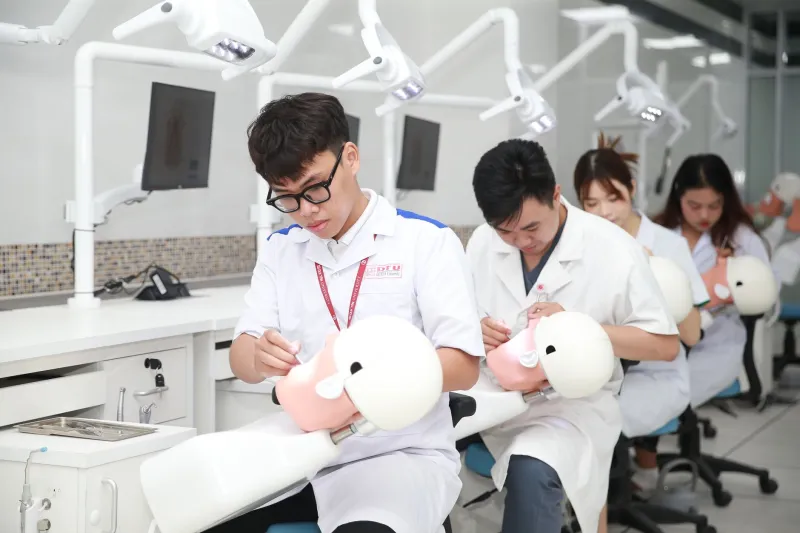
 Photo: Birmingham Metropolitan College, via en.gruppobardelli.com
Similarly, Blackpool and The Fylde College has revolutionised its approach by partnering directly with major hotel chains and restaurant groups. Students now complete live projects for Premier Inn, Hilton, and independent operators, ensuring their training reflects current industry standards rather than outdated textbook methodologies.
At South Devon College, their marine catering programme has become the go-to qualification for luxury yacht hospitality roles, with graduates commanding starting salaries that exceed many university graduate positions.
 Photo: South Devon College, via cdn.britannica.com
Employer Perspectives Shift
The preference for vocationally trained candidates is becoming increasingly pronounced amongst UK hospitality operators. James Henderson, Operations Director for a group of boutique hotels across the Lake District, articulates this shift: "University graduates often require six months of practical training before they're operationally useful. College graduates arrive understanding workflow, time management, and guest service fundamentals."
This sentiment resonates throughout the industry. Restaurant chains report that vocationally trained managers demonstrate superior staff retention rates, whilst hotel groups note improved guest satisfaction scores when departments are led by college-trained professionals.
The financial implications are compelling. College graduates typically enter management positions 18 months earlier than their university-educated counterparts, translating into accelerated earning potential and career progression.
Curriculum Evolution
Modern catering colleges bear little resemblance to their predecessors. Today's programmes integrate digital ordering systems, sustainable practices, and international cuisine techniques alongside traditional foundations. Students learn revenue management software, social media marketing, and customer relationship management systems as core competencies.
Nottingham College's hospitality programme exemplifies this evolution, incorporating modules on food photography, dietary restriction management, and cultural sensitivity training. Their graduates enter the workforce equipped for contemporary hospitality challenges that extend far beyond basic service delivery.
Industry Integration
The most successful colleges have established seamless pathways between education and employment. West Kent College operates an on-site restaurant open to the public, where students gain real-world experience serving paying customers under professional supervision. This model eliminates the traditional gap between theoretical learning and practical application.
Guest lecturer programmes bring industry professionals directly into classrooms, ensuring students receive current market insights rather than outdated perspectives. These connections often translate into employment opportunities, with many students securing positions before graduation.
Financial Advantages
The economic case for vocational training has become increasingly compelling. College programmes typically cost significantly less than university degrees whilst delivering faster routes to employment. Students graduate debt-free and enter earning positions immediately, contrasting sharply with university graduates facing substantial loan repayments.
Moreover, vocational qualifications often include industry certifications that command immediate salary premiums. Food safety qualifications, sommelier certifications, and specialised equipment training add tangible value to employment profiles.
Future Trajectory
This vocational resurgence appears permanent rather than cyclical. Industry demand for practical skills continues growing as operational complexity increases. Employers increasingly value demonstrated competency over academic credentials, particularly in roles requiring immediate productivity.
The integration of technology into hospitality operations demands professionals who understand both traditional service excellence and digital innovation. Vocational colleges are uniquely positioned to deliver this hybrid expertise, combining time-tested hospitality fundamentals with cutting-edge operational tools.
Strategic Implications
For hospitality professionals considering career changes or advancement, vocational qualifications offer strategic advantages. Part-time programmes allow working professionals to enhance skills whilst maintaining employment, creating opportunities for rapid career progression within existing organisations.
The networking opportunities within college environments often prove invaluable, connecting students with industry contacts that facilitate future career moves. These relationships frequently prove more professionally valuable than traditional academic networks.
Conclusion
Britain's vocational training renaissance represents more than educational trend – it signals fundamental industry evolution towards valuing practical competency over academic achievement. As colleges continue adapting curricula to meet contemporary demands, their graduates will increasingly dominate hospitality leadership positions.
This shift offers significant opportunities for current industry professionals to enhance their credentials through targeted vocational training, whilst newcomers can access accelerated pathways into rewarding hospitality careers without traditional university commitments.