Timeless Techniques, Contemporary Careers: The Strategic Renaissance of Classical Service Skills in British Hospitality
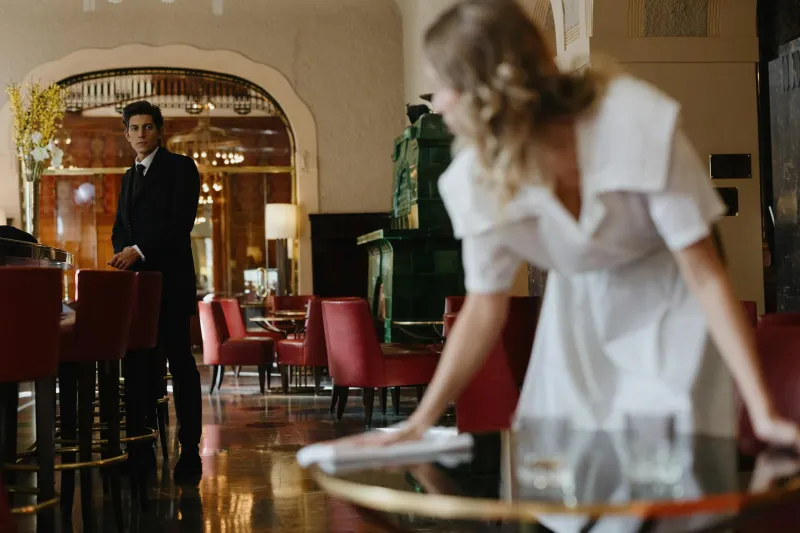
Whilst Britain's hospitality landscape increasingly embraces casual dining concepts and relaxed service styles, an intriguing counter-trend is emerging among ambitious young professionals. A growing cohort of industry newcomers is deliberately pursuing mastery of classical hospitality techniques—from silver service precision to traditional butler craft—recognising these skills as powerful career differentiators in an increasingly homogenised market.
The Paradox of Premium Positioning
In an era where efficiency and accessibility dominate hospitality conversations, classical techniques might appear anachronistic. However, market analysis reveals a fascinating paradox: as casual service becomes ubiquitous, authentic classical expertise commands increasingly premium positioning.
This phenomenon reflects broader luxury market dynamics, where scarcity creates value. As fewer professionals possess genuine classical skills, those who do become exponentially more valuable to establishments seeking authentic differentiation.
Tom Richardson, who completed classical training at the International Butler Academy before securing a position at a prestigious London private members' club, explains the strategic logic: "Everyone can pour wine or serve plates. Very few can execute proper silver service or perform tableside flambéing with genuine expertise. These skills open doors to positions that most hospitality professionals never access."
Elite Training Grounds
Several British institutions are experiencing unprecedented demand for classical hospitality training programmes. The British Butler Institute reports a 300% increase in applications from professionals under 30, whilst traditional hotel schools are reintroducing classical modules previously considered obsolete.
The Savoy Educational Trust has expanded its classical service programmes to accommodate growing interest. Their intensive courses cover silver service presentation, traditional carving techniques, formal wine service protocols, and the subtle arts of anticipatory service that define exceptional hospitality.
Particularly noteworthy is the resurgence of interest in butler training. The Guild of Professional English Butlers has witnessed remarkable demographic shifts, with millennials now comprising 45% of their training cohorts—a dramatic increase from just 8% five years ago.
Private Members' Clubs: The Premium Playground
London's prestigious private members' clubs have emerged as primary employers for classically trained professionals. These establishments, where tradition and exclusivity remain paramount, offer career trajectories unavailable in conventional hospitality settings.
At Boodle's, one of London's oldest gentlemen's clubs, newly recruited staff with classical training command starting salaries 40% above industry averages. The club's General Manager, Patricia Edmunds, emphasises the commercial logic: "Our members expect service standards that reflect our 250-year heritage. Staff who understand classical protocols don't require extensive retraining—they enhance our reputation from day one."
Similar patterns emerge across exclusive venues. The Garrick Club, White's, and newer establishments like The Arts Club actively recruit professionals with formal classical training, creating career pathways that bypass traditional hospitality hierarchies.
Luxury Hotels: Rediscovering Heritage
Britain's luxury hotel sector is simultaneously embracing classical service as a differentiation strategy. The Ritz London has reinstated traditional afternoon tea service protocols, requiring staff to master complex presentation techniques that were simplified during previous decades.
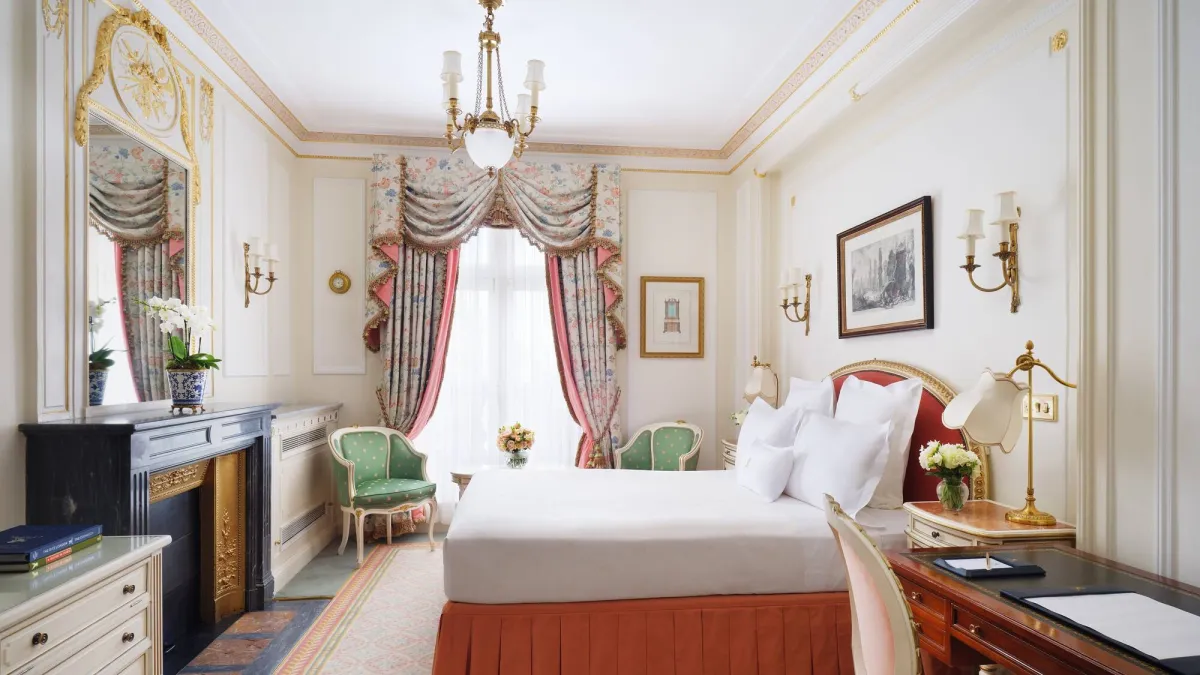 Photo: The Ritz London, via images.trvl-media.com
Claridge's has expanded their classical training programmes, recognising that authentic traditional service creates memorable experiences that justify premium pricing. Their "Heritage Service Standards" initiative trains staff in historical service techniques that reflect the hotel's prestigious reputation.
These investments reflect broader industry recognition that authentic classical service creates emotional connections with guests that casual service cannot replicate. In an age of digital interactions, the human artistry of classical service provides irreplaceable luxury experiences.
The Economics of Exclusivity
Financial incentives for classical expertise are substantial. Industry analysis reveals that professionals with genuine classical skills command salary premiums of 25-50% above conventional hospitality roles. More significantly, career progression timelines are dramatically accelerated.
Emily Watson, who progressed from classical service training to Restaurant Manager at a Michelin-starred establishment within 18 months, describes the advantage: "Classical skills demonstrate attention to detail and commitment to excellence that employers immediately recognise. Whilst my peers were competing for standard positions, I was being recruited for roles that specifically required my expertise."
The premium extends beyond base salaries. Classical service roles typically offer superior benefits packages, including accommodation allowances, professional development funding, and international placement opportunities that broaden career horizons.
Private Household Service: The Hidden Market
Perhaps the most lucrative application of classical skills exists within private household service—a market segment largely invisible to conventional hospitality discussions. Ultra-high-net-worth individuals increasingly seek household staff with formal training in classical service protocols.
This market offers exceptional compensation packages, often including accommodation, travel opportunities, and discretionary bonuses that can double base salaries. Professionals with appropriate training and references can access positions offering total packages exceeding £80,000 annually—remarkable compensation for roles requiring no formal qualifications beyond classical service expertise.
International Opportunities
Classical British service techniques enjoy global recognition and demand. Luxury establishments worldwide actively recruit British-trained professionals, creating international career opportunities that extend far beyond domestic markets.
The Peninsula Hotels group specifically seeks British-trained staff for their Asian properties, where classical European service styles command premium positioning. Similar opportunities exist across luxury cruise lines, private aviation, and exclusive resort destinations where authentic British service traditions enhance brand positioning.
Professional Development Pathways
For hospitality professionals considering classical training, several strategic pathways offer optimal career positioning:
Formal Education Routes: Institutions like Westminster Kingsway College offer comprehensive classical service programmes that combine historical context with practical application.
Apprenticeship Opportunities: Leading hotels and private clubs increasingly offer apprenticeships that provide classical training alongside practical experience.
Professional Certifications: Organisations like the Wine & Spirit Education Trust offer advanced certifications that complement classical service skills with beverage expertise.
Mentorship Programmes: Many establishments pair classically trained newcomers with experienced professionals who provide guidance on applying traditional techniques in contemporary settings.
Strategic Career Considerations
Professionals pursuing classical expertise should consider several strategic factors:
- Market Positioning: Classical skills create access to exclusive market segments with limited competition
- Long-term Value: These techniques cannot be automated or simplified, ensuring lasting career relevance
- International Mobility: Classical British service techniques provide global career opportunities
- Premium Compensation: Authentic expertise commands significantly higher remuneration
- Professional Distinction: Classical skills create memorable professional identities that enhance career progression
Future Market Dynamics
As Britain's hospitality industry continues evolving, classical service skills are likely to become increasingly valuable. The ongoing polarisation between casual and luxury segments suggests that authentic classical expertise will command even greater premiums as genuine practitioners become rarer.
For ambitious young professionals, mastering classical techniques represents a strategic investment in career differentiation. In an industry where many compete on similar foundations, classical expertise creates unassailable competitive advantages that translate directly into superior career opportunities and compensation.
The renaissance of classical hospitality skills demonstrates that innovation sometimes involves rediscovering forgotten excellence. For professionals willing to invest in mastering these timeless techniques, the rewards extend far beyond nostalgia—they offer pathways to the most exclusive and lucrative positions within British hospitality.