The Shadow Economy: How Britain's Alternative Hospitality Ventures Are Launching Tomorrow's Industry Leaders
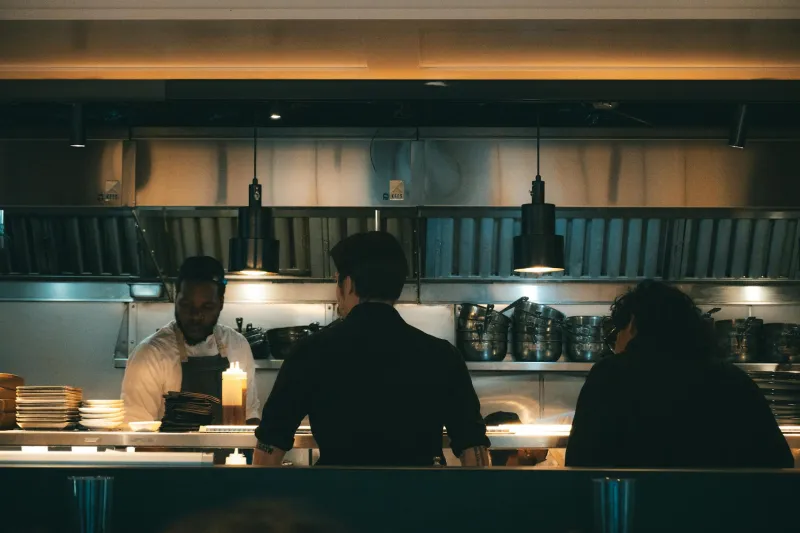
The New Underground: Where Hospitality Innovation Thrives
Beneath Britain's established restaurant scene lies a thriving network of alternative hospitality ventures that operate according to different rules, serve different markets, and create different opportunities for career advancement. These shadow operations—ghost kitchens, pop-up residencies, members-only bars, and underground dining experiences—represent more than temporary trends or pandemic adaptations. They constitute a parallel hospitality economy that's producing some of the sector's most innovative entrepreneurs and successful business models.
Unlike traditional hospitality careers that require decades of hierarchical progression before reaching ownership opportunities, these alternative formats enable talented professionals to establish credible brands and sustainable businesses within months rather than years. The combination of reduced overhead costs, targeted market positioning, and digital-native operations creates entrepreneurial possibilities that simply didn't exist a generation ago.
Ghost Kitchens: The Invisible Revolution in Culinary Entrepreneurship
Ghost kitchens—delivery-only food operations without traditional dining spaces—have transformed from pandemic necessity to permanent business model across Britain's urban centres. These ventures typically require £15,000-£30,000 in startup capital compared to £150,000-£300,000 for equivalent restaurant launches, fundamentally altering the economics of culinary entrepreneurship.
The operational advantages extend beyond reduced rent and fitout costs. Ghost kitchens enable rapid menu testing, market validation, and brand development without the complex variables of front-of-house service. Successful operators can establish multiple virtual brands from single kitchen facilities, diversifying revenue streams whilst maintaining operational efficiency.
Tom Richardson, formerly a sous chef at a Michelin-starred London restaurant, launched three ghost kitchen brands from a shared commercial kitchen in East London. Within eighteen months, his combined operations generated £280,000 annual revenue with profit margins exceeding 23%—figures that would challenge many established restaurants.
 Photo: Tom Richardson, via cdnb.artstation.com
"The traditional route would have required me to work as someone else's head chef for another five years before even considering restaurant ownership," Richardson explains. "Ghost kitchens allowed me to test my concepts, build a customer base, and generate actual business data whilst maintaining relatively low financial risk."
Pop-Up Residencies: Testing Ground for Future Restaurant Empires
Pop-up residencies in established venues offer another low-risk pathway to hospitality entrepreneurship. These arrangements, where emerging chefs or restaurateurs operate temporary concepts within existing spaces, provide operational experience without long-term lease commitments or substantial capital investment.
London's pop-up scene has matured into a sophisticated ecosystem where successful residencies regularly transition into permanent restaurant launches. Venues like Peckham's Forza Wine and Hackney's Satan's Whiskers actively cultivate emerging talent through residency programmes that benefit both parties—established venues maintain fresh concepts and emerging operators gain practical experience.
The residency model offers unique advantages for career development. Operators gain experience with real customers, actual revenue pressures, and operational challenges whilst maintaining safety nets that traditional restaurant launches lack. Unsuccessful concepts can be modified or abandoned without catastrophic financial consequences.
Sarah Chen leveraged pop-up residencies across Manchester's Northern Quarter to develop her modern Chinese concept. After eighteen months operating residencies in five different venues, she launched her permanent restaurant with a proven concept, established customer base, and operational expertise that traditional restaurant training programmes couldn't provide.
 Photo: Sarah Chen, via img.discogs.com
Members-Only Venues: Building Communities Before Buildings
The resurgence of members-only hospitality venues—from underground cocktail bars to private dining clubs—represents another alternative pathway that prioritises community building over traditional hospitality metrics. These venues succeed through exclusivity and personalised service rather than volume and efficiency.
Members-only operations require different skills from traditional hospitality management. Success depends on relationship cultivation, event curation, and community management rather than table turnover and average spend optimisation. For hospitality professionals with strong interpersonal skills and event management experience, these venues offer entrepreneurial opportunities with relatively modest capital requirements.
The membership model also provides predictable revenue streams that traditional restaurants struggle to achieve. Monthly membership fees create baseline income that enables operators to focus on experience quality rather than constant customer acquisition.
James Morrison, formerly a hotel events manager, established a members-only whisky club in a Birmingham basement space. With 120 members paying £45 monthly fees plus event charges, his operation generates consistent revenue whilst maintaining operational flexibility that traditional bars cannot match.
 Photo: James Morrison, via res.cloudinary.com
The Digital Advantage: Marketing Without Mainstream Media
Alternative hospitality ventures benefit enormously from digital marketing capabilities that enable targeted customer acquisition without traditional advertising budgets. Social media platforms, particularly Instagram and TikTok, allow creative operators to build substantial followings through compelling content rather than paid promotion.
The visual nature of hospitality translates perfectly to social media marketing, whilst the exclusivity inherent in many alternative formats creates natural content opportunities that mainstream restaurants struggle to replicate. Limited availability, unique locations, and creative presentations generate organic social media engagement that traditional marketing budgets cannot purchase.
Moreover, digital-native operations can implement sophisticated customer relationship management systems from launch, building valuable customer data that informs menu development, pricing strategies, and expansion decisions.
Risk Management: Understanding the Shadow Economy's Challenges
Despite their advantages, alternative hospitality ventures present unique risks that require careful management. Regulatory compliance becomes more complex when operating outside traditional frameworks. Ghost kitchens must navigate food safety regulations without traditional restaurant oversight systems. Pop-up residencies require clear agreements regarding liability, revenue sharing, and operational responsibilities.
Insurance considerations also differ significantly from traditional hospitality operations. Many standard hospitality insurance policies don't adequately cover alternative operating models, requiring specialised coverage that operators must research carefully.
The temporary nature of many alternative formats creates additional challenges around team development and operational consistency. Building sustainable business systems becomes more complex when operating locations, staff, and even concepts change regularly.
Scaling Strategies: From Alternative to Mainstream Success
The most successful alternative hospitality entrepreneurs view their initial ventures as testing grounds for larger ambitions rather than permanent business models. The operational experience, customer insights, and brand development achieved through alternative formats provide foundations for traditional restaurant launches, hospitality consultancy practices, or franchise development.
Many operators use alternative formats to develop multiple revenue streams simultaneously. A successful ghost kitchen operator might launch pop-up residencies, develop private catering services, and create retail product lines whilst maintaining their core delivery operations.
The key lies in treating alternative hospitality ventures as sophisticated business development tools rather than lifestyle projects. Operators who maintain rigorous financial controls, develop systematic operational processes, and build transferable brand assets position themselves for substantial long-term success.
The Professional Development Pathway
For hospitality professionals considering alternative venture launches, success requires combining entrepreneurial ambition with operational discipline. The reduced barriers to entry shouldn't obscure the substantial skills required for sustainable business development.
Begin with thorough market research that identifies genuine customer demand rather than assumed opportunities. Develop detailed financial projections that account for alternative format complexities. Most importantly, establish clear success metrics and timeline expectations that enable objective assessment of venture viability.
Britain's alternative hospitality economy represents a genuine democratisation of entrepreneurial opportunity within the sector. For ambitious professionals willing to embrace uncertainty and develop new operational capabilities, these shadow ventures offer pathways to business ownership and creative fulfillment that traditional career progression simply cannot match.