What If Hospitality Behaved Like a Profession? The Case for Reviving the Guild
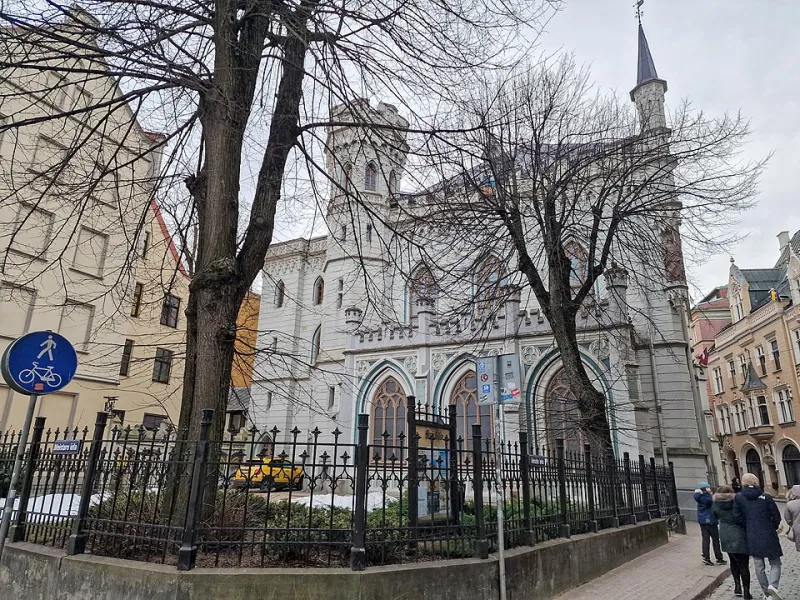
Photo: Mona, CC BY-SA 4.0, via Wikimedia Commons
The word "guild" sits in our own name, and it is worth asking occasionally whether it is mere decoration or a genuine argument. We believe it is the latter — and that the current state of British hospitality makes the case more urgently than ever.
The historic guilds were not romantic brotherhoods. They were labour-market institutions: they set standards, controlled entry to the trade, ran apprenticeships, and provided mutual support when members fell ill or fell on hard times. Crucially, they made skill visible. To be a guild member was to be verifiably competent, and that verification underpinned wages and status alike.
Modern hospitality has, for the most part, none of this. Skill is real but largely invisible. Entry is uncontrolled. Progression depends on the goodwill of individual employers. And the consequences are visible in every retention statistic the sector publishes.
The Modern Echoes Are Already Here
Look closely and proto-guilds are emerging anyway. Chef collectives and supper-club networks share staff, equipment and knowledge across venues. Regional hospitality associations lobby locally and broker training deals their members could not secure alone. Peer-led learning circles — which we have covered before on this site — are quietly replacing formal corporate training in many independent venues. None of these call themselves guilds, but each performs a guild function: mutual support, standard-setting, collective bargaining power in its softest form.
The question is whether these fragments should cohere into something more deliberate.
What a Modern Guild Would Actually Do
Not the closed-shop medieval version. A credible contemporary equivalent would do four things. First, it would accredit: a recognised, portable mark of competence — not another certificate that collects dust, but a credential employers actively seek. Second, it would apprentice properly: structured progression with defined milestones, protecting learners from the cheap-labour dynamics that have discredited some schemes. Third, it would support: hardship funds, legal guidance, and peer networks for the freelancer and the employed alike. Fourth, it would advocate: a single voice for professional standards, distinct from trade bodies that represent employers' commercial interests.
Trade bodies already exist, of course — UKHospitality chief among them — but they represent businesses, not the profession of hospitality work itself. The distinction matters. Doctors have the BMA and the GMC; the first negotiates, the second sets standards for the individual professional. Hospitality has only the first kind of institution.
The Objections, Honestly Held
The counterarguments deserve air. Hospitality is gloriously heterogeneous — a fine-dining kitchen, a coastal caravan park and a contract catering operation share little. A single standards body risks imposing uniformity on diversity, or becoming another layer of box-ticking that small operators cannot afford. And Britain's history of statutory licensing regimes, from the old licensing laws to more recent interventions, makes many in the sector wary of anything resembling self-appointed gatekeeping.
These objections are serious. But none of them argue against professional organisation; they argue for its careful design. Voluntary membership, employer co-funding, and standards written by practitioners rather than consultants would answer most of them.
A Question of Self-Respect
Ultimately, the guild question is less administrative than psychological. Professions retain people because membership means something — to the member, and to the public. Hospitality workers do not leave because the work is hard; they leave because the work is hard and their skill is treated as incidental. A guild, properly conceived, is a machine for making skill count.
The trade built itself once under that model. There is no obvious reason it could not do so again.