The Private Service Revolution: Elite Culinary Professionals Forge Lucrative Careers Beyond Traditional Restaurants
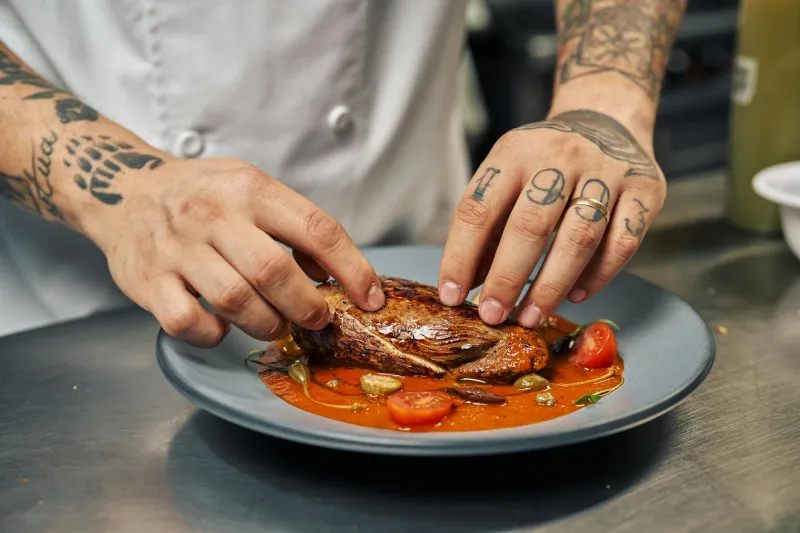
The traditional career trajectory for Britain's culinary professionals—from commis chef through the brigade system to head chef positions—is experiencing a fundamental transformation. An increasing number of accomplished chefs are stepping away from restaurant kitchens to embrace the lucrative and highly personalised world of private culinary service.
This shift represents more than a simple career change; it reflects a sophisticated evolution in how Britain's affluent households, luxury estates, and high-net-worth individuals approach their dining experiences. For culinary professionals, this transition offers unprecedented earning potential, creative autonomy, and the opportunity to develop intimate, long-term professional relationships with discerning clientele.
The Economics of Exclusivity
The financial incentives driving this career transformation are substantial. Experienced private chefs serving ultra-high-net-worth families can command annual salaries ranging from £60,000 to £150,000, with additional benefits including accommodation, vehicle allowances, and comprehensive healthcare packages. Seasonal positions aboard superyachts or at luxury Scottish shooting estates can yield £80,000 to £120,000 for six-month contracts.
Sarah Matthews, formerly head chef at a Michelin-starred establishment in Edinburgh, made the transition to private service three years ago. "The financial comparison was compelling," she explains. "Beyond the base salary, there's the elimination of London rent, reduced living expenses, and often performance bonuses tied to special events or extended travel assignments."
Freelance private chefs operating on a consultancy basis can achieve even higher earnings, with day rates ranging from £300 to £800 depending on the complexity of service and client requirements. This model allows experienced professionals to maintain multiple client relationships whilst preserving flexibility and creative control.
Mastering the Art of Discretion
The transition from restaurant service to private households demands a fundamental recalibration of professional skills. Technical culinary expertise remains paramount, but success in private service requires mastering the nuanced art of discretion, adaptability, and personalised service delivery.
"Restaurant kitchens operate with theatrical intensity and collaborative energy," observes Marcus Thompson, who transitioned from running a gastropub kitchen in the Cotswolds to serving a prominent banking family. "Private service demands a completely different temperament—you must be simultaneously invisible and indispensable."
The most successful private chefs develop expertise in dietary management, from accommodating complex medical requirements to executing elaborate entertaining schedules. They must navigate family dynamics with diplomatic skill, maintain absolute confidentiality regarding household affairs, and demonstrate cultural sensitivity when serving international guests.
Building Expertise Through Specialisation
The private chef market rewards specialisation across multiple dimensions. Professionals with expertise in specific dietary approaches—whether plant-based cuisine, traditional game cookery, or molecular gastronomy—command premium positioning. Similarly, those with experience in particular service environments, such as superyacht operations or country estate management, develop valuable niche expertise.
James Crawford, who operates between London townhouses and clients' Mediterranean properties, emphasises the importance of operational versatility. "You might be preparing a formal dinner for twelve in Belgravia on Monday, then flying to Tuscany to cater a weekend house party by Friday. The logistics, procurement, and cultural adaptation required are as challenging as the actual cookery."
Language skills represent another significant differentiator, particularly for positions serving international families or requiring regular travel. Mandarin, Arabic, and Russian language capabilities can substantially enhance earning potential and client appeal.
Strategic Entry Points
Breaking into private service requires strategic positioning and often demands accepting entry-level positions that may initially offer lower compensation than senior restaurant roles. However, the investment typically yields substantial returns as professionals build reputations and client networks.
Specialised recruitment agencies such as Greycoat Lumleys, Eden Private Staff, and Silver Swan Recruitment serve as primary gateways into the private service market. These organisations maintain extensive client databases and can provide valuable guidance on positioning and presentation.
Temporary assignments through luxury catering companies offer another viable entry route. Companies like Rhubarb Food Design and Create Food regularly supply private chefs for events and short-term placements, providing exposure to potential long-term clients whilst building relevant experience.
The Portfolio Career Approach
Many successful private chefs develop portfolio careers combining permanent positions with freelance assignments, cookbook development, or culinary education roles. This diversification provides financial security whilst maintaining professional development opportunities.
Helen Parker, who splits her time between a permanent Kensington family and seasonal yacht charters, advocates for this balanced approach. "The permanent position provides stability and benefits, whilst the seasonal work offers variety and additional income. It's also valuable insurance—if one arrangement changes, you maintain other revenue streams."
Future Trajectory
The private chef sector shows no signs of contraction. Britain's growing population of high-net-worth individuals, combined with increased emphasis on health-conscious dining and experiential luxury, continues driving demand for personalised culinary services.
Emerging opportunities include corporate executive dining, luxury wellness retreats, and extended-stay private hospitality experiences. The post-pandemic emphasis on private entertaining over restaurant dining has further accelerated this trend.
For ambitious culinary professionals seeking financial advancement, creative fulfilment, and escape from traditional kitchen hierarchies, private service represents a compelling alternative career pathway. Success requires dedication to developing both culinary excellence and the sophisticated interpersonal skills that define elite hospitality service.
The transition demands careful planning, strategic positioning, and often initial sacrifice. However, for those who master the unique demands of private service, the rewards—financial, professional, and personal—can be extraordinary.