The Mindful Mixologist: Capitalising on Britain's Alcohol-Free Revolution for Career Advancement
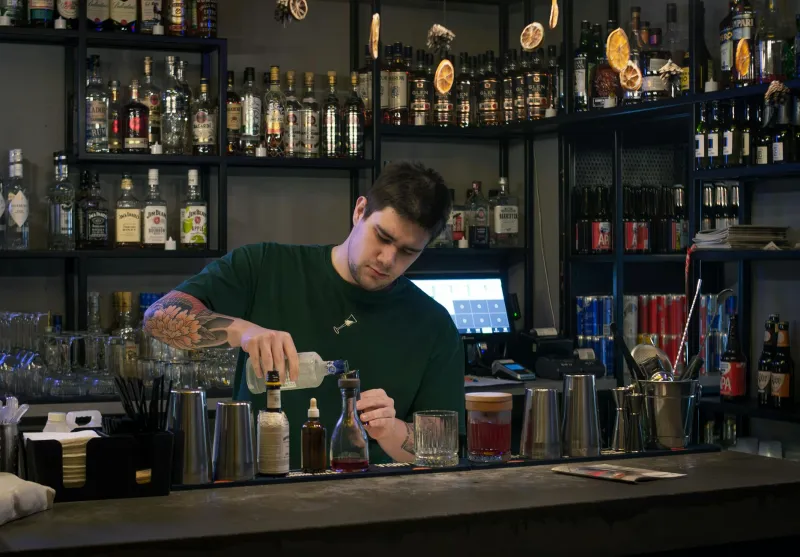
The Sobriety Boom Creates Professional Opportunities
Britain's relationship with alcohol is undergoing fundamental transformation, creating unprecedented career opportunities for hospitality professionals who recognise the commercial potential of mindful drinking. The no and low-alcohol market has expanded by 67% over the past three years, generating demand for specialist expertise that extends far beyond traditional bartending skills.
This cultural shift reflects changing consumer priorities, with health consciousness, wellness trends, and inclusive socialising driving demand for sophisticated alcohol-free experiences. The result is a rapidly expanding sector requiring dedicated professionals who understand both the technical and cultural aspects of mindful drinking.
Emerging Specialist Roles
The no-alcohol movement has spawned entirely new professional categories within Britain's hospitality sector. Mocktail specialists command salaries comparable to experienced bartenders, whilst sober event planners coordinate alcohol-free celebrations for corporate clients and private individuals seeking inclusive entertainment options.
Non-alcoholic beverage consultants work with venues to develop comprehensive alcohol-free programmes. These professionals combine knowledge of flavour profiles, ingredient sourcing, and presentation techniques with understanding of customer psychology and marketing strategies. Their expertise enables venues to create compelling alternatives that satisfy sophisticated palates whilst generating substantial profit margins.
Mindful drinking educators conduct workshops and training sessions for both consumers and hospitality professionals. These roles require deep understanding of alcohol-free production methods, health benefits, and social dynamics surrounding sober socialising.
Technical Expertise and Skill Development
Mastering the alcohol-free category requires sophisticated technical knowledge spanning multiple disciplines. Understanding fermentation processes, botanical extraction methods, and flavour balancing techniques enables creation of complex beverages that satisfy experienced drinkers seeking sophisticated alternatives.
Distillation techniques for alcohol-free spirits involve precise temperature control and timing to preserve essential flavours whilst removing alcohol content. Professionals who understand these processes can work with producers to develop innovative products or create venue-specific specialities.
Fermentation knowledge becomes crucial when working with kombucha, water kefir, and other naturally fermented beverages. Understanding bacterial cultures, sugar conversion, and carbonation levels enables creation of complex, satisfying drinks that appeal to discerning consumers.
Market Leadership and Innovation
Several British venues have established themselves as pioneers in the alcohol-free space, creating career opportunities for ambitious professionals. Redemption Bar in London operates as a completely alcohol-free venue, requiring staff who understand the unique dynamics of sober socialising and can create engaging experiences without relying on alcohol's social lubricant effects.
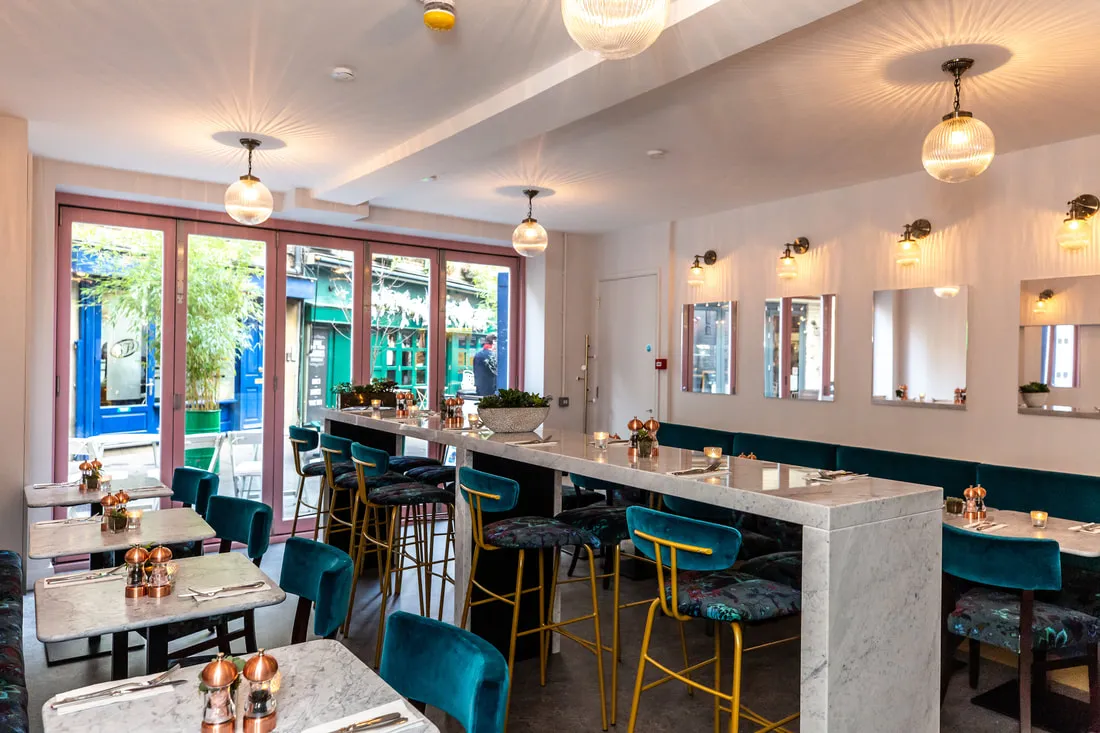 Photo: Redemption Bar, via www.redemptionbar.co.uk
The Ivy Collection has developed comprehensive alcohol-free programmes across their venues, creating specialist roles for professionals who can curate sophisticated non-alcoholic wine lists and create compelling cocktail alternatives. These positions combine traditional sommelier skills with understanding of alcohol-free production methods.
Artisan producers like Seedlip and Ceder's have created new career pathways in alcohol-free spirit production, requiring professionals who understand both traditional distillation techniques and innovative alcohol removal processes.
Financial Opportunities and Salary Progression
The premium positioning of quality alcohol-free beverages creates significant earning potential for specialist professionals. Alcohol-free cocktails often command similar prices to traditional alternatives whilst requiring comparable skill levels for creation and presentation.
Consultancy roles in the alcohol-free sector command day rates of £500-£800, reflecting the specialist knowledge required and limited availability of qualified professionals. These opportunities exist across venue development, staff training, and product development sectors.
Executive positions combining traditional hospitality leadership with alcohol-free specialisation attract premium salaries. General managers who can successfully implement comprehensive alcohol-free programmes whilst maintaining traditional beverage revenue demonstrate valuable dual competencies.
Training and Professional Development
Formal training programmes for alcohol-free specialisation are emerging across Britain's educational landscape. The Wine & Spirit Education Trust (WSET) now offers modules covering alcohol-free wine and spirit production, whilst bartending schools include comprehensive mocktail training in their curricula.
Specialist certification programmes focus specifically on alcohol-free beverage creation and service. These courses cover ingredient knowledge, preparation techniques, presentation standards, and customer service considerations specific to serving non-drinking guests.
Online learning platforms provide access to international expertise in alcohol-free beverage creation. Masterclasses with leading practitioners enable skill development without geographical limitations, whilst industry forums facilitate knowledge sharing among specialists.
Consumer Psychology and Service Excellence
Successful alcohol-free specialists understand the psychological aspects of serving non-drinking guests. Creating sophisticated experiences that don't feel like compromise requires understanding of presentation, naming conventions, and service rituals that maintain premium positioning.
Guest education becomes crucial when introducing alcohol-free alternatives. Professionals must articulate flavour profiles, production methods, and pairing suggestions with confidence and expertise comparable to traditional beverage service.
Inclusive service delivery ensures that non-drinking guests feel valued rather than accommodated. This requires understanding of social dynamics and ability to create experiences that enhance rather than limit social interaction.
Business Development and Entrepreneurship
The alcohol-free sector offers significant entrepreneurial opportunities for hospitality professionals with specialist knowledge. Pop-up concepts, catering services, and product development ventures require relatively modest capital investment whilst targeting rapidly expanding markets.
Partnership opportunities exist with wellness centres, fitness facilities, and health-focused venues seeking to enhance their beverage offerings. Professionals who understand both alcohol-free expertise and business development can create profitable ventures serving these emerging markets.
Private event services for sober celebrations, corporate wellness programmes, and inclusive social gatherings represent lucrative opportunities for specialists who can create memorable alcohol-free experiences.
Regional Opportunities Across Britain
London leads Britain's alcohol-free innovation, with venues like Redemption Bar and numerous pop-up concepts creating employment opportunities for specialist professionals. The capital's diverse population and health-conscious demographic provide ideal conditions for alcohol-free ventures.
Manchester's vibrant nightlife scene increasingly includes alcohol-free options, whilst Edinburgh's festival culture creates seasonal opportunities for specialists who can cater to diverse audiences seeking inclusive entertainment options.
Coastal regions benefit from wellness tourism trends, with spa hotels and health retreats requiring professionals who can create sophisticated alcohol-free beverage programmes that complement their wellness positioning.
Future Market Development
Market analysis suggests continued expansion of Britain's alcohol-free sector, driven by health consciousness, inclusive socialising trends, and generational shifts in drinking patterns. This growth trajectory indicates sustained demand for specialist professionals throughout the coming decade.
Technological advances in alcohol removal and flavour enhancement will create new product categories requiring specialist knowledge for successful implementation. Professionals who stay current with these developments will maintain competitive advantages in evolving markets.
The integration of alcohol-free options into mainstream hospitality operations suggests that specialist knowledge will become increasingly valuable across traditional venues rather than remaining confined to specialist establishments.
For hospitality professionals seeking career differentiation, the alcohol-free sector represents opportunity to develop valuable expertise in rapidly expanding markets whilst contributing to more inclusive and health-conscious hospitality culture.