Homegrown Horizons: How Britain's Staycation Surge Is Forging Entirely New Hospitality Career Paths
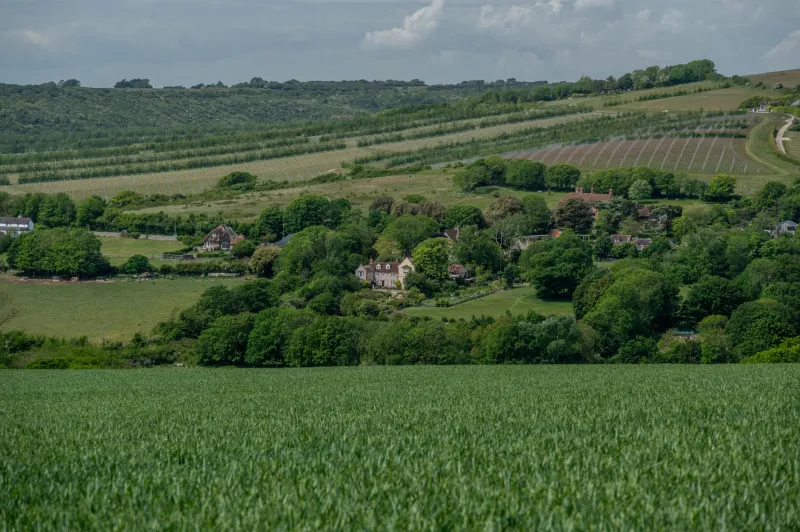
A Permanent Shift, Not a Passing Trend
For much of the past decade, ambitious hospitality professionals in Britain followed a well-worn path: gain experience in a regional property, then migrate towards London, Edinburgh, or Manchester to access the roles that truly advanced a career. That model is being quietly dismantled.
The sustained surge in domestic tourism — commonly referred to as the staycation phenomenon — has injected significant capital and ambition into corners of the country that were previously overlooked by serious operators. Luxury glamping estates in the Lake District, boutique coastal retreats in Pembrokeshire, and high-end rural lodges across the Scottish Borders are no longer seasonal novelties. They are year-round businesses with genuine staffing hierarchies, structured management teams, and remuneration packages designed to attract and retain talent.
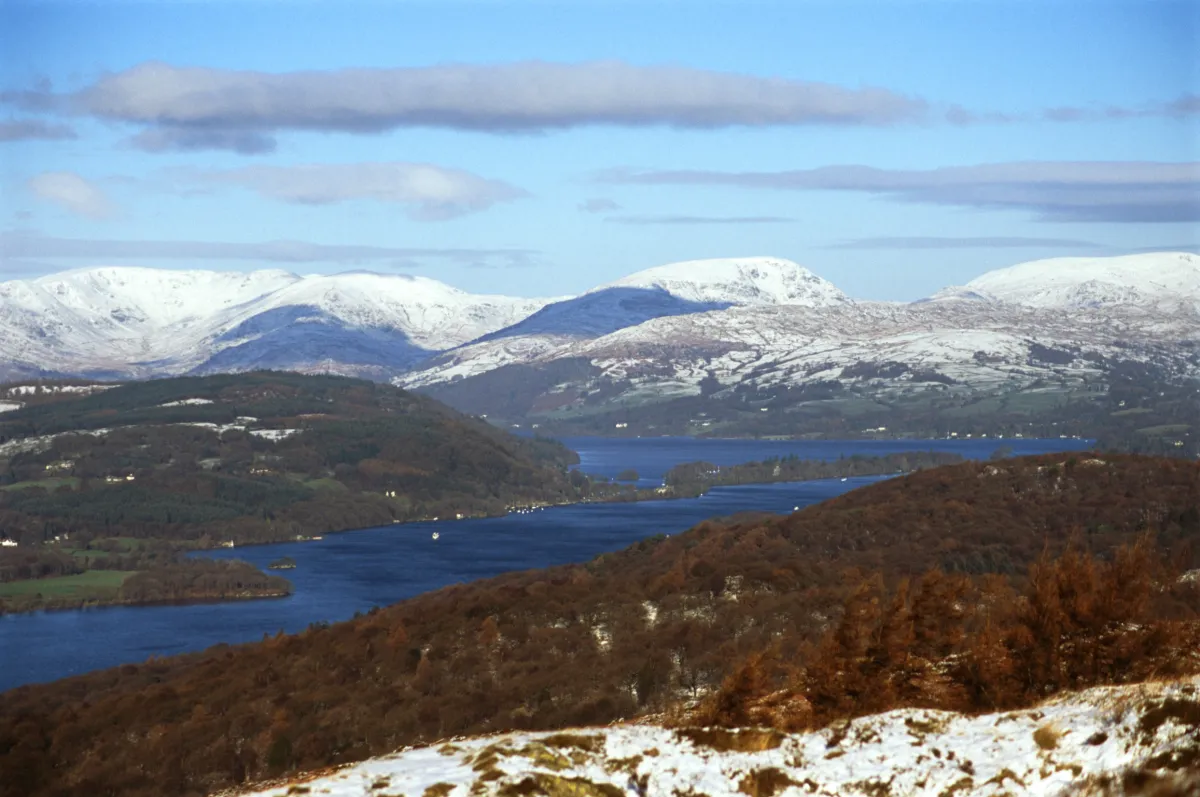 Photo: Lake District, via www.photoeverywhere.co.uk
According to data from VisitBritain, domestic overnight trips have remained markedly elevated compared with pre-2020 baselines, with spend per trip rising sharply as guests demonstrate a clear willingness to invest in premium domestic experiences. For hospitality professionals, this translates directly into demand for skilled individuals who can deliver those experiences consistently.
The Regions Benefiting Most
Not every area of the country has benefited equally, and understanding the regional landscape is essential for professionals seeking to position themselves strategically.
Cornwall and the South West have arguably seen the most dramatic transformation. Properties that once operated on compressed summer seasons are now pursuing year-round occupancy, with operators investing in wellness facilities, food and beverage programmes, and curated guest experience offerings that demand sophisticated management. General manager roles at leading Cornish properties now regularly command salaries in the £45,000 to £60,000 range — figures that would have seemed implausible for the region five years ago.
The Scottish Highlands and Islands represent a different but equally compelling story. Demand for remote, immersive experiences has driven investment in lodges, eco-resorts, and whisky tourism ventures that require a blend of traditional hospitality skills and genuine knowledge of the local landscape and culture. Operations managers and head of guest experience roles in this region are increasingly advertised with relocation packages and on-site accommodation, making them genuinely viable propositions for professionals currently based elsewhere.
The Yorkshire Dales and North York Moors have seen a quieter but sustained growth in boutique country house hotels and farm-to-table dining destinations, while the Jurassic Coast has attracted a wave of independent operators developing premium self-catering and glamping concepts that require experienced hospitality leadership.
The Roles That Simply Did Not Exist Before
Perhaps the most significant development for career-minded professionals is not the growth of existing roles but the emergence of positions that had no meaningful precedent before 2020.
Rural Retreat Managers now oversee properties that combine accommodation, dining, wellness, and outdoor activities under a single guest experience philosophy. The role demands competence across multiple disciplines — revenue management, food and beverage oversight, staff development, and brand stewardship — and is attracting professionals from city-centre hotel backgrounds who bring operational rigour to settings that previously lacked it.
Coastal Hospitality Directors are being appointed by larger independent operators and small hotel groups to provide strategic leadership across clusters of properties in coastal destinations. These are genuine senior roles, often reporting directly to ownership, with meaningful influence over product development and commercial direction.
Guest Experience Architects — a title that would have raised eyebrows in 2018 — are now being recruited by properties seeking to differentiate themselves in an increasingly crowded domestic market. The role sits at the intersection of operations, marketing, and service design, and is particularly prevalent in the glamping and luxury lodge sector.
Several operators have also created dedicated Sustainability and Local Sourcing Managers, reflecting the extent to which guests now expect their domestic escapes to demonstrate genuine environmental credentials and community connection.
Positioning Yourself for the Opportunity
For professionals considering a strategic move into this evolving landscape, preparation is everything. Rural and coastal hospitality operations present specific challenges — variable seasonal demand, smaller team structures, greater individual responsibility, and the logistical complexities of remote supply chains — that require a distinct mindset alongside transferable skills.
Demonstrating adaptability is paramount. Operators in these settings are not simply seeking individuals who have managed large city-centre hotel teams; they want professionals who can operate with autonomy, think commercially, and build genuine connections with local communities and suppliers.
Qualifications in areas such as sustainable tourism management, rural business development, or outdoor hospitality are becoming increasingly valued. Several further education providers in the UK now offer short courses specifically tailored to the rural hospitality sector, and the investment in such credentials signals both commitment and awareness to prospective employers.
Networking within regional hospitality associations — including those specific to destinations such as Visit Cornwall, VisitScotland, and Welcome to Yorkshire — provides access to an emerging community of operators and professionals who are actively shaping these new career pathways.
Salary Trajectories and Long-Term Prospects
The financial case for pursuing careers in domestic tourism destinations has strengthened considerably. While London continues to offer the highest absolute salaries at senior levels, the combination of lower living costs, on-site accommodation, and rapidly rising remuneration in key rural and coastal markets is closing the gap meaningfully.
Head chef roles at premium Cornish and Scottish destination restaurants now regularly achieve £40,000 to £55,000, with accommodation included. General manager positions at established rural retreat properties frequently sit between £50,000 and £70,000. At the most prestigious end of the market — five-star country house hotels and luxury lodge estates — senior leadership roles can exceed £80,000.
Perhaps more significantly, the professionals who establish themselves as credible leaders in these emerging destinations now are building equity in a market that is still relatively uncrowded. The individuals who shaped the careers of London's boutique hotel scene in the early 2000s are now among the most sought-after operators in British hospitality. The same opportunity exists today, in a different geography.
Britain's appetite for homegrown luxury shows no sign of diminishing. For hospitality professionals with the vision to look beyond the familiar, the horizon has rarely looked more promising.