Festival Foundations: How Britain's Event Circuit Is Forging Tomorrow's Beverage Elite
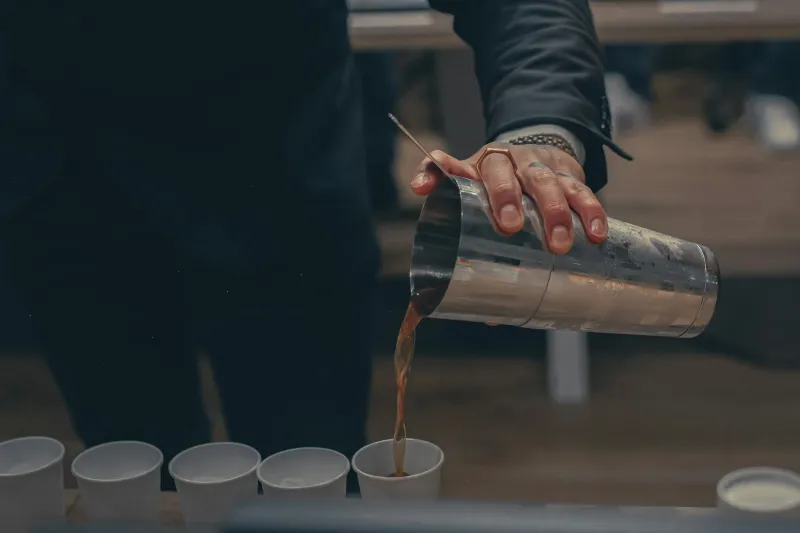
Festival Foundations: How Britain's Event Circuit Is Forging Tomorrow's Beverage Elite
The traditional pathway to beverage excellence in British hospitality has long been mapped out: formal training, apprenticeships in established venues, gradual progression through recognised establishments. However, a revolution is quietly unfolding across the nation's festival grounds, where a new generation of beverage professionals is emerging with skills that rival—and often surpass—their traditionally trained counterparts.
The Unconventional Classroom
From the muddy fields of Glastonbury to the cobbled streets of Edinburgh during festival season, temporary hospitality venues have become intensive training grounds for aspiring beverage professionals. These environments demand exceptional adaptability, rapid decision-making, and the ability to deliver premium service under extraordinary pressure.
Sarah Mitchell, Head of Talent Acquisition at The Dorchester Collection, explains the appeal: "When we interview candidates with festival experience, we're seeing individuals who've served hundreds of customers per hour whilst maintaining quality standards. They've dealt with equipment failures, supply shortages, and demanding clientele—all whilst working in temporary structures. This resilience is invaluable in luxury hospitality."
The festival circuit encompasses far more than music events. Food and drink festivals across Britain—from the Ludlow Food Festival to the Brighton Fringe's numerous pop-up bars—create concentrated learning experiences that compress years of traditional training into intensive seasonal bursts.
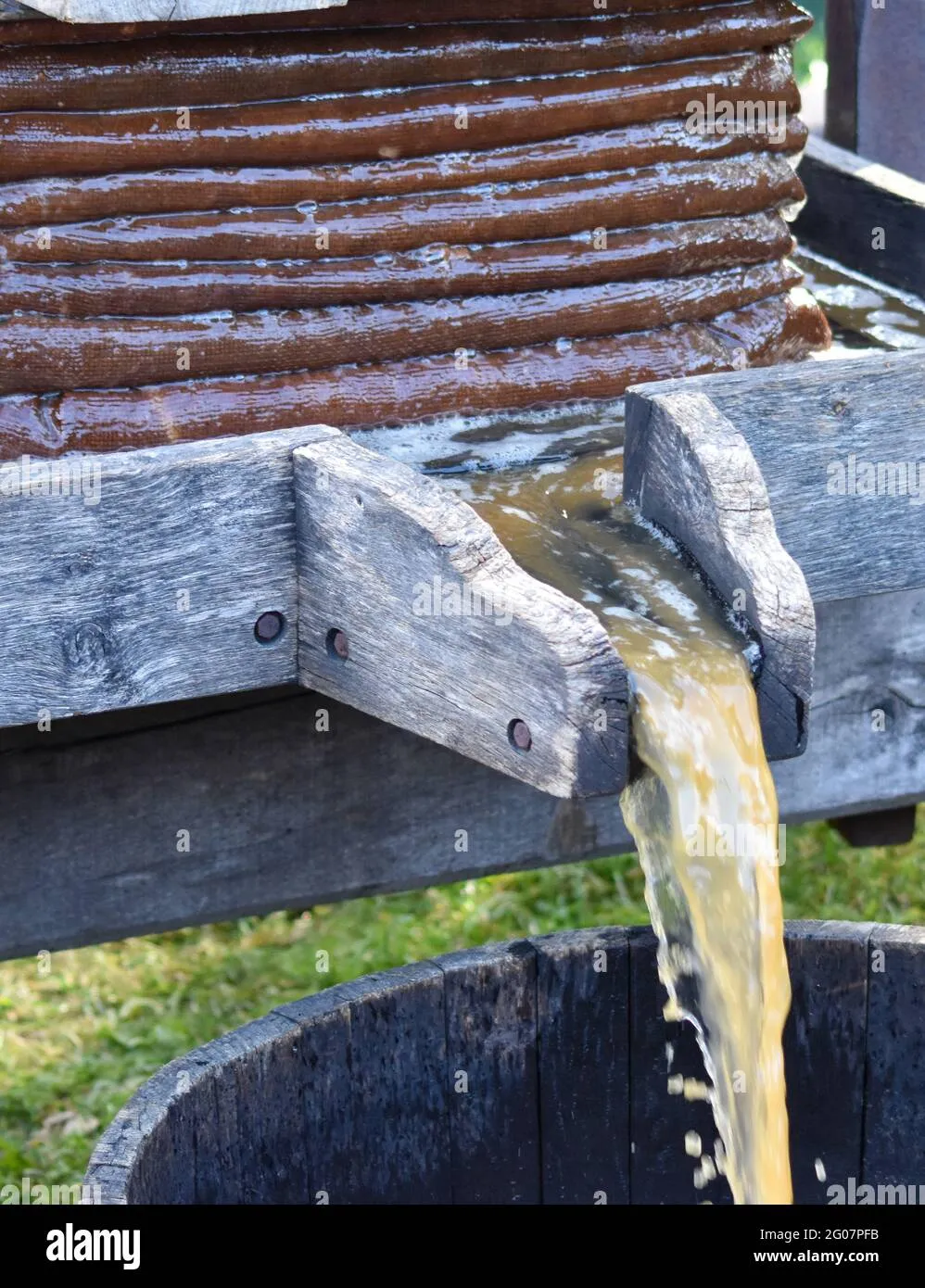 Photo: Ludlow Food Festival, via c8.alamy.com
Skills Beyond the Textbook
Traditional beverage training focuses on knowledge acquisition: wine regions, cocktail recipes, service protocols. Festival environments demand the practical application of this knowledge under extreme conditions. Professionals who thrive in these settings develop what industry insiders term "adaptive expertise"—the ability to deliver exceptional service regardless of circumstances.
James Harrison, who progressed from festival bartending to Head Sommelier at a Michelin-starred London restaurant within three years, describes the difference: "At festivals, you're not just pouring drinks—you're problem-solving constantly. When your wine chiller breaks down during a heatwave and you've got a queue of customers, you learn creative solutions that no textbook teaches."
This practical resilience translates directly to permanent roles. Festival veterans typically excel at:
- High-volume service delivery whilst maintaining quality standards
- Inventory management under unpredictable supply conditions
- Customer relationship building in brief, high-impact interactions
- Team collaboration across diverse, temporary staffing arrangements
- Brand representation in competitive environments
The Headhunting Revolution
Recruitment patterns within British hospitality are shifting dramatically. Premium venues increasingly scout festival circuits for talent, recognising that these environments produce professionals with unique skill sets.
Marcus Thompson, Regional Manager for a leading hotel group, reveals his recruitment strategy: "We now have talent scouts attending major festivals specifically to identify exceptional beverage professionals. Someone who can maintain composure and deliver outstanding service whilst serving craft cocktails from a converted horse box during a thunderstorm is someone we want on our permanent team."
This targeted recruitment has created what industry observers term "the festival fast track"—career progression routes that bypass traditional hierarchies. Professionals with strong festival portfolios are securing senior positions typically reserved for candidates with extensive formal qualifications and years of traditional experience.
Industry Validation
The legitimacy of festival-forged expertise is gaining formal recognition across the industry. Several prominent hospitality groups now include festival experience as equivalent to traditional training in their recruitment criteria.
The trend extends beyond individual career advancement. Pop-up concepts that prove successful during festival seasons are increasingly securing permanent locations, creating direct pathways from temporary to permanent employment for their teams.
Lucy Chambers, who transitioned from managing beverage operations at Edinburgh Festival pop-ups to opening her own cocktail bar, emphasises the entrepreneurial dimension: "Festival work teaches you to think like a business owner from day one. You understand profit margins, customer flow, and operational efficiency because survival depends on it."
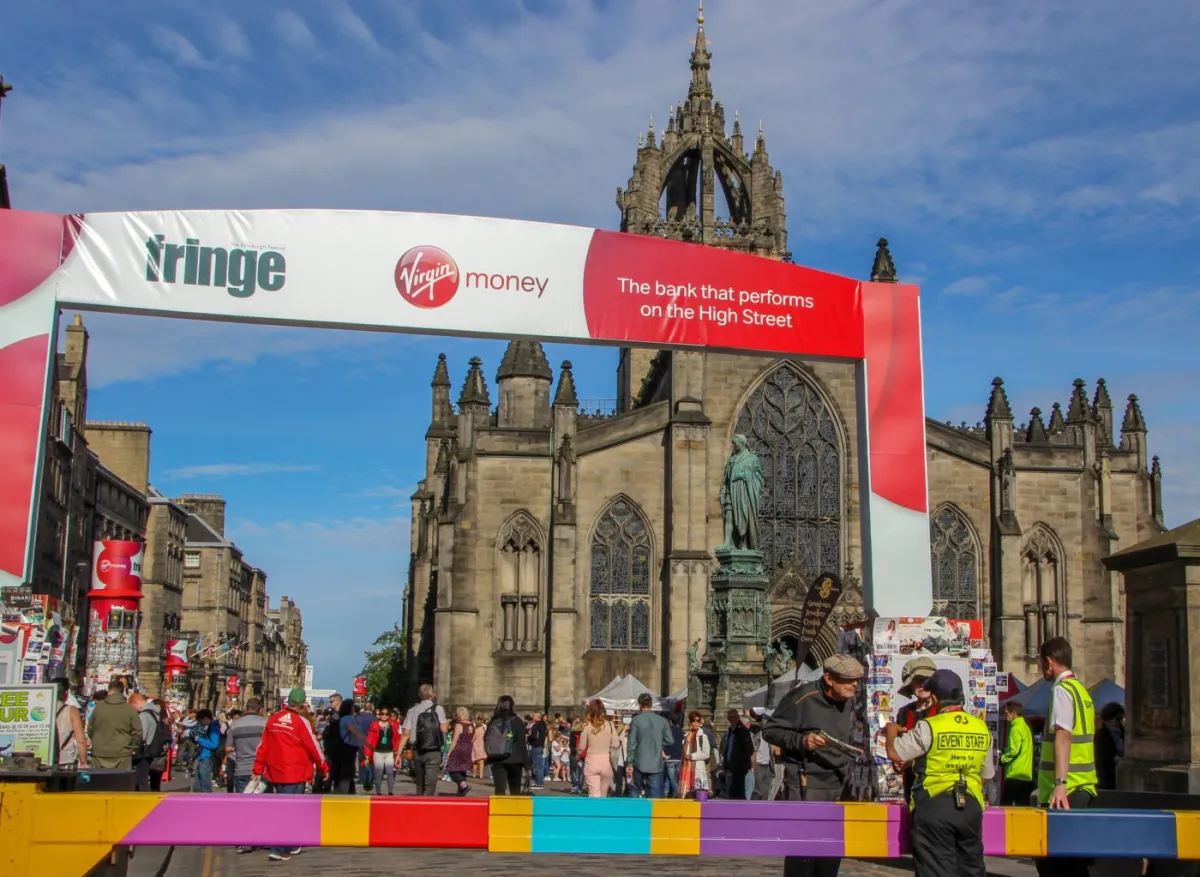 Photo: Edinburgh Festival, via truewindhealingtravel.com
The Future Landscape
As Britain's festival and event industry continues expanding, this alternative training pathway is becoming increasingly structured. Some organisations now offer formal festival placement programmes, whilst others are developing hybrid training models that combine traditional education with intensive festival experience.
Industry leaders predict that within five years, festival experience will be considered as valuable as formal qualifications for many beverage roles. This shift represents a fundamental change in how the British hospitality industry identifies and develops talent.
Professional Recommendations
For hospitality professionals considering this pathway, industry experts recommend:
- Diversifying festival experience across different event types and scales
- Documenting achievements and challenges overcome during festival work
- Building networks within the festival circuit for ongoing opportunities
- Complementing practical experience with formal education when possible
- Seeking mentorship from established professionals who value this experience
The festival circuit's emergence as a legitimate training ground represents more than an alternative career pathway—it signals a broader evolution in how the British hospitality industry recognises and rewards practical expertise. As traditional barriers continue dissolving, festival-forged professionals are reshaping industry standards and expectations, proving that excellence can emerge from the most unconventional circumstances.