Dialect Dividends: Why Authentic Regional Voices Are Commanding Premium Positions in British Luxury Hospitality
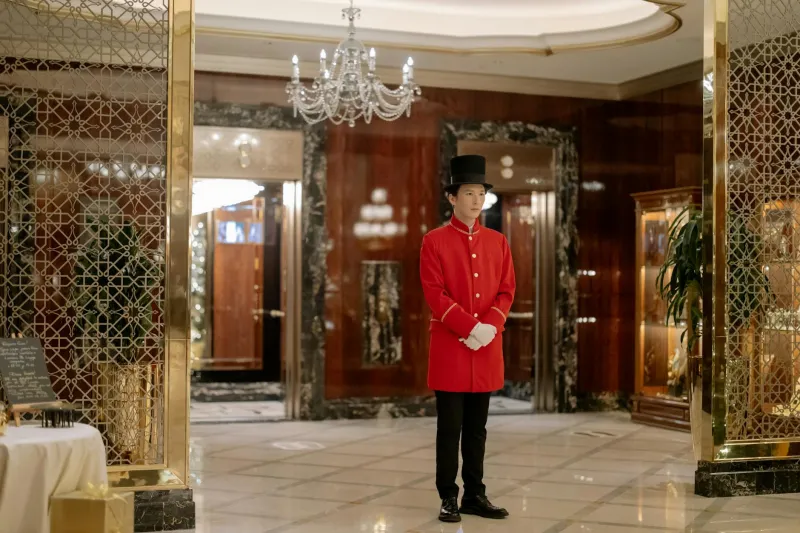
For decades, the hospitality industry operated under an unspoken assumption: the more prestigious the establishment, the more neutral the accent of its staff. This paradigm, rooted in outdated notions of class and sophistication, is experiencing a dramatic transformation. Today's luxury hospitality market increasingly values authenticity over artifice, creating remarkable opportunities for professionals whose regional dialects were once considered career limitations.
The Authenticity Revolution
The shift began subtly but has accelerated dramatically in recent years. High-end establishments from Edinburgh's Royal Mile to Cornwall's coastal retreats are discovering that guests crave genuine connections with local culture—and nothing signals authenticity quite like a native voice sharing insider knowledge of the region.
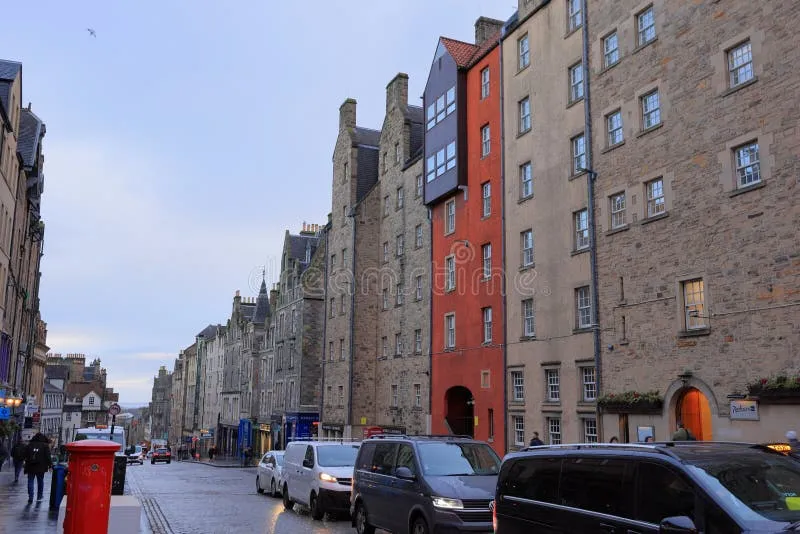 Photo: Edinburgh's Royal Mile, via thumbs.dreamstime.com
Sarah MacLeod, a sommelier at a five-star Highland resort, exemplifies this transformation. Her distinctive Highland lilt, once deemed "too regional" for luxury service, now serves as her greatest professional asset. "Guests specifically request my wine pairings because they want the full Scottish experience," she explains. "My accent isn't just tolerated—it's celebrated as part of the premium package."
This represents a fundamental shift in how luxury hospitality defines excellence. Rather than pursuing homogenised service delivery, leading establishments recognise that regional authenticity creates memorable experiences that justify premium pricing.
Market Forces Driving Change
Several converging factors have accelerated this transformation. The rise of experiential tourism means travellers increasingly seek immersive local encounters rather than generic luxury. Simultaneously, the democratisation of luxury through social media has shifted consumer preferences towards authentic storytelling over traditional formality.
Recruitment specialist James Patterson of Hospitality Executive Search notes a marked change in client briefings: "Five years ago, we'd receive requests for 'well-spoken' candidates with 'neutral accents.' Today, luxury hotels specifically ask for staff who can provide authentic regional insights. The brief has completely flipped."
This evolution reflects broader cultural changes. British consumers, particularly younger demographics, increasingly reject artificial class markers in favour of genuine regional pride. Luxury hospitality, always sensitive to cultural currents, has adapted accordingly.
Regional Success Stories
The transformation is evident across Britain's hospitality landscape. In Yorkshire, the dialect once dismissed as "too broad" for fine dining is now celebrated in Michelin-starred establishments where chefs use local terminology to explain traditional techniques to fascinated guests.
Welsh hospitality professional Cerys Evans leveraged her Valleys accent to secure a head concierge position at a luxury Cardiff hotel. "Initially, I worried my accent might limit opportunities," she admits. "Instead, international guests adore hearing authentic Welsh pronunciation of local place names. I've become the hotel's unofficial cultural ambassador."
Similarly, Geordie bartender Mark Thompson found his Newcastle accent became his signature at an upscale London cocktail bar. "Guests love the contrast—sophisticated drinks served with authentic Northern charm. It's become part of my personal brand."
Strategic Career Positioning
For hospitality professionals with distinctive regional accents, this shift presents strategic opportunities requiring thoughtful positioning. The key lies in framing dialect as cultural expertise rather than linguistic limitation.
Successful professionals emphasise their role as cultural interpreters, capable of providing insights unavailable to outsiders. This positioning transforms accent from potential barrier to competitive advantage, particularly in roles involving guest interaction and local recommendations.
Career coach Emma Richardson advises: "Don't neutralise your accent—leverage it. Frame yourself as offering authentic local expertise that enhances guest experience. Position your dialect as evidence of deep regional knowledge."
Practical Implementation Strategies
Professionals seeking to capitalise on this trend should develop comprehensive local knowledge extending beyond basic tourist information. Understanding regional history, hidden gems, and cultural nuances positions dialect as evidence of genuine expertise rather than mere accent variation.
CV presentation becomes crucial. Rather than downplaying regional background, successful candidates highlight local knowledge, cultural understanding, and ability to provide authentic experiences. The narrative shifts from overcoming accent barriers to offering unique value through regional authenticity.
Interview preparation should focus on demonstrating how regional identity enhances rather than hinders professional effectiveness. Candidates might prepare examples of how local knowledge resolved guest queries or created memorable experiences impossible for outsiders to replicate.
Industry Evolution and Future Prospects
This transformation reflects hospitality's broader evolution towards personalised, experience-driven service. As competition intensifies among luxury establishments, authentic regional character provides differentiation in an increasingly crowded market.
Industry analysts predict this trend will accelerate as hospitality brands seek to distinguish themselves through genuine local connections. Regional dialects, far from limiting career prospects, may become essential qualifications for premium positions in their respective areas.
The implications extend beyond individual career advancement. This shift signals hospitality's maturation as an industry confident enough to celebrate rather than suppress regional diversity—a development that strengthens both workforce morale and guest satisfaction.
For hospitality professionals across Britain, the message is clear: embrace your authentic voice. In an industry increasingly valuing genuine connection over artificial polish, regional dialects have transformed from career obstacles into powerful professional assets. The future of luxury hospitality speaks with many voices—and each one has value.