Circles of Craft: Why Peer-Led Learning Is Quietly Eclipsing Corporate Training in British Hospitality
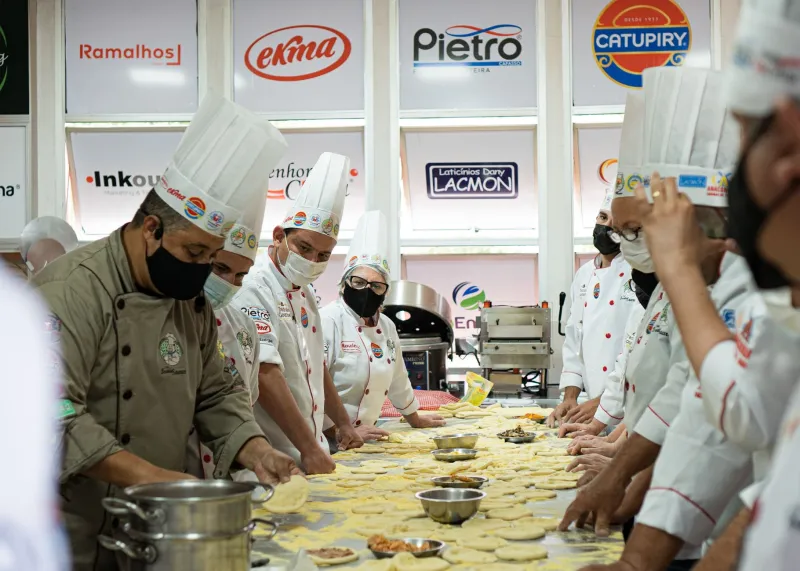
There is something quietly radical happening in hospitality venues across the United Kingdom. Not in boardrooms, not through digital training platforms, and certainly not via the laminated compliance folders that gather dust in staff rooms. It is happening in prep kitchens thirty minutes before service, in side-streets outside city-centre bars after a Friday shift, and in WhatsApp groups where front-of-house teams share techniques, troubleshoot problems, and hold one another professionally accountable.
Peer-led learning—structured or otherwise—is emerging as one of the most effective forces in hospitality professional development. And the industry, if it is paying attention, should take note.
The Limits of the Classroom
Corporate training in hospitality has long operated on a particular set of assumptions: that knowledge flows downward from management, that standardised content can be universally applied, and that completion of a module equates to genuine competency. These assumptions are increasingly difficult to defend.
Research consistently shows that adult learners in vocational settings retain significantly more when they learn from peers rather than from didactic instruction. In hospitality specifically—where context, timing, and interpersonal nuance are everything—the gap between classroom theory and operational reality is particularly pronounced. A trainer explaining upselling technique to a group of new hires cannot replicate the experience of watching a trusted colleague execute it seamlessly during a busy Saturday dinner service.
This is not an argument against formal training. Food safety qualifications, licensing law, and allergen management require structured delivery. But for the craft skills, the professional instincts, and the behavioural competencies that genuinely separate excellent hospitality professionals from adequate ones, the evidence increasingly points elsewhere.
What Peer Learning Actually Looks Like
The most effective examples of peer-led learning in hospitality are rarely branded as such. They emerge organically from cultures of professional generosity and mutual respect.
In a well-regarded independent restaurant in Bristol, the head chef began setting aside twenty minutes each week for what she calls a 'skills round'—an informal session where any member of the kitchen brigade can demonstrate a technique, share a discovery from a supplier visit, or present a problem they have encountered and invite collective solutions. The sessions are unscripted, occasionally chaotic, and by all accounts transformative. Staff turnover in the kitchen has dropped markedly since the practice began, and several junior cooks have progressed to senior roles faster than the venue's historical average.
In Edinburgh, a hotel's front-of-house team established their own internal workshop series after noticing that new starters were struggling with the particular demands of the property's international guest profile. Senior team members volunteered to lead short sessions on cultural awareness, complaint handling, and upselling without pressure. The sessions were not mandated, not monitored, and not assessed. They were, however, consistently attended—because colleagues trusted one another in a way that they did not always trust the corporate training portal.
These examples share a common thread: they are driven by practitioners, for practitioners, and they treat professional knowledge as something collectively owned rather than institutionally dispensed.
The Guild Principle Revisited
The guild model—in which skilled workers passed knowledge through structured relationships of mentorship and mutual obligation—governed professional development in Britain for centuries before it was displaced by industrial-era employment structures. The irony is that hospitality, an industry built on craft, human skill, and accumulated wisdom, was among the first to abandon this model in favour of scalable corporate training systems.
The results have not been universally encouraging. High turnover, skills gaps, and persistent complaints about the quality of middle management suggest that something has been lost in the translation from craft to compliance.
What venues embracing the peer learning model are rediscovering is precisely what the original guild structure understood: that professional development is most durable when it is embedded in relationships of trust, when the person teaching has a genuine stake in the learner's success, and when knowledge is understood as a living thing—something to be debated, tested, and refined rather than simply transmitted.
Why Engaged Staff Stay Longer
There is a practical dimension to this conversation that operators would be unwise to ignore. Venues that invest in peer-led learning cultures consistently report lower staff turnover than sector averages. The reasons are not difficult to identify.
When a hospitality professional is trusted to share their expertise with colleagues, they receive a signal that their knowledge has value—not merely their compliance with procedures, but their actual professional intelligence. This recognition matters enormously in an industry that has historically undervalued its workforce's intellectual contribution. It also creates interdependence: professionals who have invested in one another's development are less likely to leave without consideration for the relationships they would sever.
Furthermore, peer learning environments tend to surface talent that formal appraisal systems miss. The line cook who explains a sauce reduction with exceptional clarity, or the reception supervisor who runs an impromptu session on handling difficult guests with both skill and compassion, may not appear on a conventional succession plan—but they are demonstrating precisely the leadership qualities that the industry needs at every level.
Building Your Own Learning Circle
For hospitality professionals who recognise the value of this approach but work in environments where it has not yet taken root, the barriers to beginning are lower than they might appear.
Start small. Invite two or three trusted colleagues to share something they have learned recently—from a course, a book, a conversation with a supplier, or simply from practice. Keep the format informal and the commitment light. Rotate the responsibility for leading the conversation. Allow disagreement and genuine exchange.
For those in management roles, the task is less about organising and more about creating the conditions in which peer learning can emerge. That means protecting time, valuing the contribution publicly, and resisting the temptation to formalise what works precisely because it is informal.
The guild ethos was never about hierarchy. It was about collective ownership of a craft. In an industry that needs both its people and its standards to be better, that principle remains as relevant as it has ever been.