Kitchen Doors and Camera Lights: Building a Professional Profile Without Burning Bridges
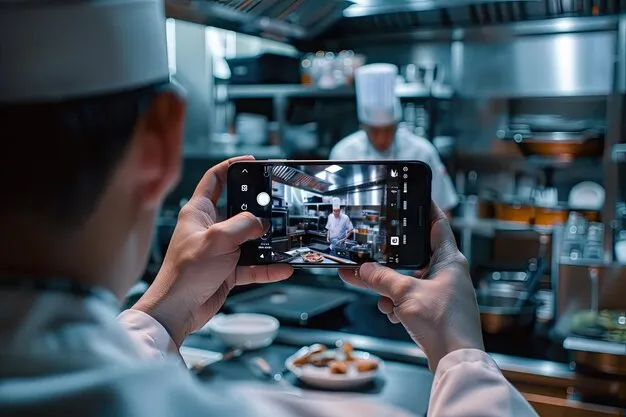
Photo: chef filming smartphone video in professional kitchen, via img.freepik.com
A decade ago, a sous chef's professional reputation lived in three places: their CV, their references, and the kitchens that had employed them. Today it may live on a TikTok account with forty thousand followers, or a LinkedIn profile where a Birmingham hotel duty manager calmly explains how she handles double-booked function rooms.
The shift is real, and for many workers it is paying off — in job offers, consultancy work and, occasionally, direct income. But it is also a landscape with genuine professional hazards, and it rewards strategy over enthusiasm.
Choosing Your Ground
The platforms serve different purposes. LinkedIn remains the most reliable route to career opportunity: recruiters actively search it, and a hospitality professional who posts twice a week about operational problem-solving — a difficult guest resolved, a rota fixed, a waste-reduction initiative — builds a searchable body of evidence. Several UK general managers now owe their current posts to being found this way.
TikTok and Instagram work differently. Short-form video rewards personality and craft: knife skills, plating, the organised chaos of prep. Chefs including younger cooks in the North East and Glasgow have converted followings into pop-up bookings, supper clubs and brand partnerships. The commercial ceiling is higher; the career ceiling is fuzzier. A viral account rarely translates directly into a head chef role, but it can make a CV unforgettable.
What Actually Converts
The content that generates opportunity tends to share three traits. It is specific — a post about reducing no-shows at a country pub outperforms generic "hospitality life" content. It demonstrates judgement rather than just effort. And it is consistent: algorithms and human readers alike reward the account that shows up weekly over the one that posts furiously for a month and vanishes.
For those seeking consulting or training work, the winning formula is often teaching in public. A front-of-house veteran who explains wine list structure or complaint de-escalation in plain terms is, in effect, auditioning for the paid version of that expertise.
The Risks Worth Taking Seriously
Posting from the workplace is where careers can unravel. Filming colleagues without consent, revealing a venue's recipes or supplier arrangements, or showing service in ways that make an employer look careless — these have ended employment relationships, and in some cases triggered disputes over intellectual property and confidentiality.
The sensible protocol is straightforward. Agree a policy with your employer before filming on site; keep customers and colleagues out of frame unless they have consented; never disclose commercially sensitive information; and assume that anything posted could be read by your current and every future employer. A personal account built on discretion ages well. One built on grievance or gossip rarely does.
There is also the question of tone. The most durable hospitality profiles are generous rather than combative — the industry is small, and the person you critique today may interview you tomorrow.
Start Small, Start Now
No one needs to become a content creator. But a hospitality professional with no public trace is increasingly invisible to opportunity. A LinkedIn profile with a clear headline, a photograph and one considered post a week is a reasonable minimum — and, for many UK workers, it has proven the cheapest career investment they ever made.