Breaking the Glass Ceiling: Extraordinary Career Transformations in British Hospitality
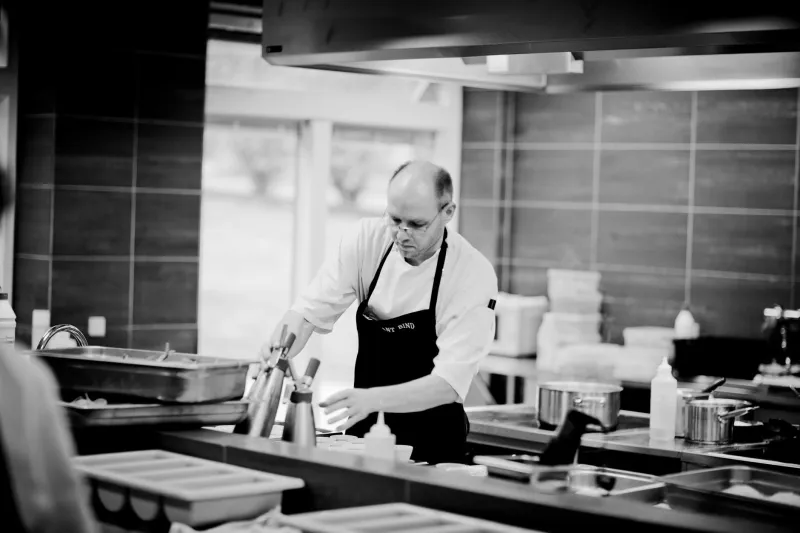
The narrative surrounding hospitality careers often emphasises transient employment and limited advancement prospects. However, the reality within Britain's vibrant hospitality sector tells a markedly different story—one of remarkable career trajectories and transformational professional growth.
Through extensive research and interviews with industry professionals, Hospitality Guild has uncovered compelling evidence that strategic career planning, combined with available development programmes, can propel ambitious individuals from entry-level positions to senior leadership roles within remarkably short timeframes.
The Foundation Years: Building Essential Skills
Successful hospitality professionals consistently emphasise the importance of mastering fundamental operations before pursuing advancement. Sarah Mitchell, currently Operations Director at a prestigious Manchester hotel group, began her journey as a housekeeping assistant in 2012.
"Those early months taught me the intricate details that guests never see but absolutely expect," Mitchell reflects. "Understanding every aspect of hotel operations—from room preparation standards to maintenance protocols—became invaluable when I later managed entire departments."
Mitchell's progression followed a deliberate pattern: housekeeping assistant to team leader within eighteen months, then supervisor within three years. Her breakthrough came through completing an NVQ Level 3 in Hospitality Management whilst working full-time, demonstrating the practical application of formal qualifications within career advancement.
Apprenticeship Schemes: The Modern Pathway to Success
Contemporary apprenticeship programmes have revolutionised traditional career development models. James Richardson exemplifies this transformation, progressing from kitchen porter to sous chef at a Michelin-starred London restaurant within four years.
Richardson enrolled in a Level 2 Culinary Arts apprenticeship whilst maintaining his porter duties, gradually assuming cooking responsibilities as his skills developed. "The apprenticeship provided structured learning combined with hands-on experience," he explains. "Rather than theoretical knowledge alone, I gained practical expertise that immediately enhanced my value to the kitchen team."
The apprenticeship route offered Richardson several advantages: guaranteed employment throughout training, progressive salary increases aligned with skill development, and direct mentorship from experienced chefs. His current role managing a team of twelve demonstrates the substantial career advancement possible through dedicated apprenticeship participation.
Mentorship: The Catalyst for Accelerated Growth
Mentorship relationships frequently emerge as pivotal factors in exceptional career progression. Emma Thompson's journey from bar staff to regional manager illustrates this principle effectively.
Thompson joined a prominent pub chain as weekend bar staff whilst completing university studies. Her enthusiasm and reliability attracted attention from the venue manager, who became an informal mentor, providing guidance on industry trends, management techniques, and strategic thinking.
"Having someone who believed in my potential and actively invested in my development changed everything," Thompson recalls. "My mentor introduced me to senior management, recommended me for leadership training programmes, and provided honest feedback that accelerated my learning curve."
Thompson's advancement trajectory included promotions to shift supervisor, assistant manager, venue manager, and ultimately regional manager within six years—a progression directly attributed to strategic mentorship combined with personal dedication.
Professional Development: Continuous Learning Culture
The hospitality industry's dynamic nature demands continuous skill enhancement. David Chen's transformation from conference porter to events director demonstrates how proactive professional development can unlock exceptional opportunities.
Chen initially worked part-time whilst studying business management, gradually developing expertise in event coordination and client relations. Recognising the potential for specialisation, he pursued additional qualifications in project management and hospitality technology.
"I realised that understanding both traditional hospitality principles and emerging technologies would differentiate me in the marketplace," Chen explains. "Investing in digital marketing, revenue management, and customer relationship management systems proved crucial for senior-level responsibilities."
Chen's strategic approach to professional development, including industry certifications and networking through professional associations, positioned him for rapid advancement when opportunities arose.
Industry Challenges and Opportunities
Whilst these success stories inspire optimism, they also highlight persistent industry challenges. Skills shortages in certain areas create advancement opportunities for motivated individuals, whilst increasing professionalisation demands higher standards of competency and qualifications.
The COVID-19 pandemic's impact on hospitality has paradoxically created new advancement pathways as businesses restructure and embrace innovative operational models. Digital transformation, sustainability initiatives, and enhanced health protocols require professionals with diverse skill sets—creating opportunities for those willing to adapt and learn.
Strategic Career Planning: Key Recommendations
Successful career progression in hospitality requires deliberate planning and strategic execution. Based on our research, several consistent themes emerge:
Embrace Cross-Functional Experience: Understanding multiple departments enhances management capability and demonstrates versatility to employers.
Pursue Formal Qualifications: NVQs, apprenticeships, and professional certifications provide credible evidence of competency and commitment to career development.
Seek Mentorship Actively: Identifying and cultivating relationships with experienced professionals accelerates learning and opens advancement opportunities.
Develop Technical Skills: Modern hospitality increasingly relies on technology, making digital literacy essential for senior roles.
Network Strategically: Professional associations, industry events, and online communities provide valuable connections and career intelligence.
Conclusion: Redefining Hospitality Career Potential
These extraordinary career transformations demonstrate that British hospitality offers genuine opportunities for ambitious professionals willing to invest in their development. The combination of practical experience, formal qualifications, mentorship relationships, and strategic career planning can accelerate advancement beyond traditional expectations.
As the industry continues evolving, those who embrace continuous learning and adapt to changing demands will find themselves ideally positioned for leadership roles. The glass ceiling in hospitality is not merely breakable—it is being shattered daily by determined professionals who refuse to accept limitations on their potential.